
Your cart is currently empty!
Hobie Twist and Stow Rudder vs. Fixed Rudder Systems: A Comparative Analysis
Posted by
–
Key Takeaways
- The Hobie Twist and Stow rudder system offers easy deployment and retraction, making it ideal for shallow waters.
- Fixed rudder systems provide better stability and control in open waters and strong currents.
- Twist and Stow rudders require regular maintenance to ensure smooth operation.
- Fixed rudders are generally more durable and require less frequent adjustments.
- Choosing the right rudder system depends on your kayaking environment and personal preferences.
Hobie Twist and Stow Rudder vs. Fixed Rudder Systems: A Comparative Analysis
Introduction to Rudder Systems
Rudder systems play a crucial role in the maneuverability and control of a kayak. Whether you’re navigating calm lakes or tackling rough seas, having the right rudder can make a significant difference in your kayaking experience.

In this article, we’ll dive deep into two popular rudder systems: the Hobie Twist and Stow rudder and fixed rudder systems. We’ll explore their design, advantages, common issues, and how to maintain them. By the end, you’ll have a clear understanding of which system suits your needs best.
Key Differences at a Glance
| Feature | Hobie Twist and Stow Rudder | Fixed Rudder Systems |
|---|---|---|
|
Deployment |
Easy, twist mechanism |
Fixed in place |
|
Maneuverability |
High in shallow waters |
High in open waters |
|
Maintenance |
Regular checks required |
Less frequent adjustments |
|
Durability |
Moderate |
High |
|
Cost |
Moderate |
Varies |
Understanding Hobie Twist and Stow Rudder System
Design and Mechanism
- The Hobie Twist and Stow rudder system features a unique twist mechanism that allows for easy deployment and retraction.
- It’s designed to be user-friendly, making it suitable for kayakers of all skill levels.
- The rudder can be stowed away when not in use, reducing drag and improving speed.
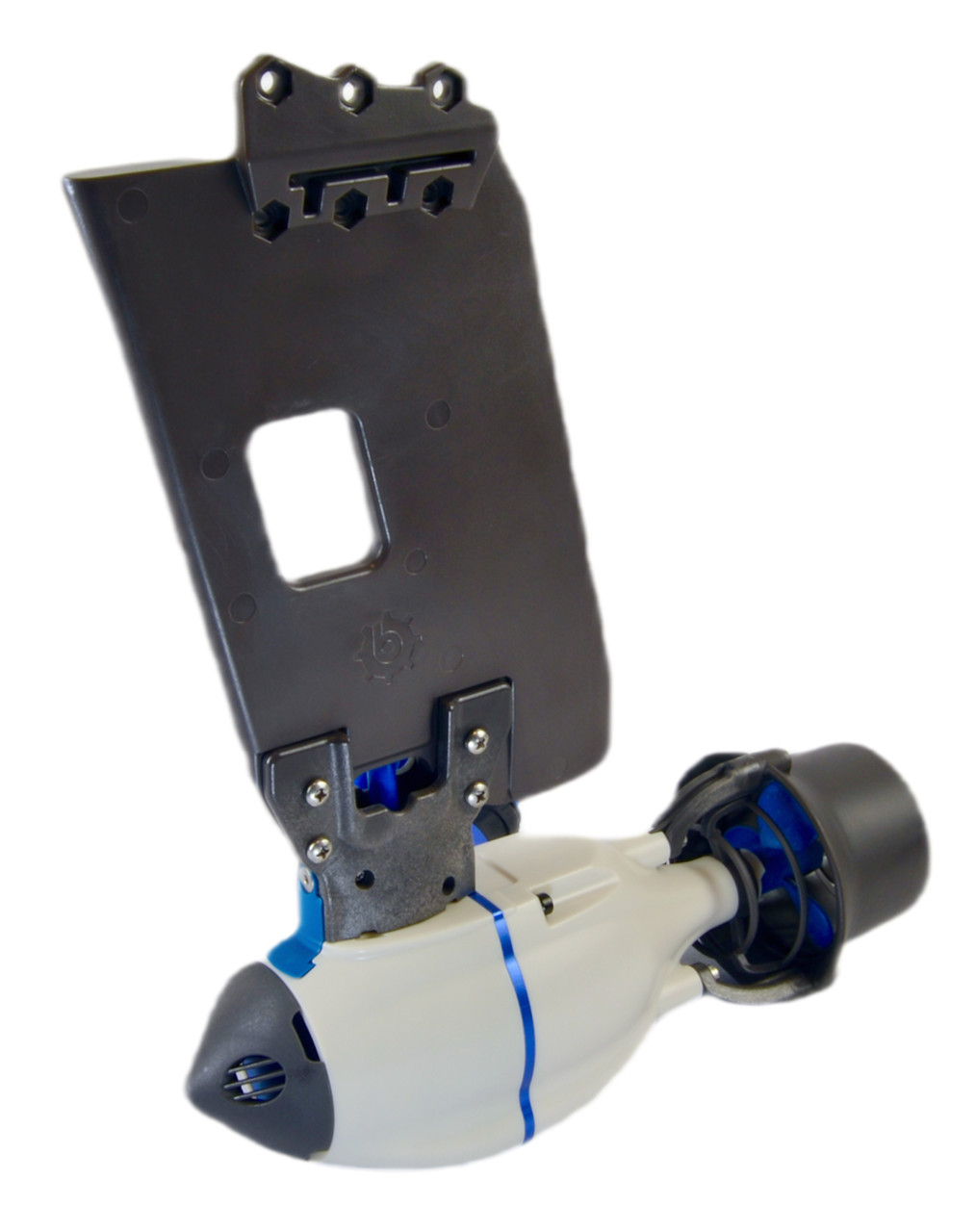
This system was introduced in 2007 and has been a staple in many Hobie kayak models since then. The twist mechanism allows kayakers to deploy or retract the rudder with a simple twist of the handle. This feature is particularly useful in shallow waters or when approaching the shore.
Advantages of Twist and Stow
The Hobie Twist and Stow rudder system offers several advantages that make it a popular choice among kayakers:
- Ease of Use: The twist mechanism is intuitive and easy to operate, even for beginners.
- Versatility: The ability to stow the rudder when not in use makes it versatile for different water conditions.
- Improved Speed: Reducing drag by stowing the rudder can enhance the kayak’s speed.
Common Issues and Troubleshooting
Despite its advantages, the Twist and Stow rudder system can encounter some common issues:
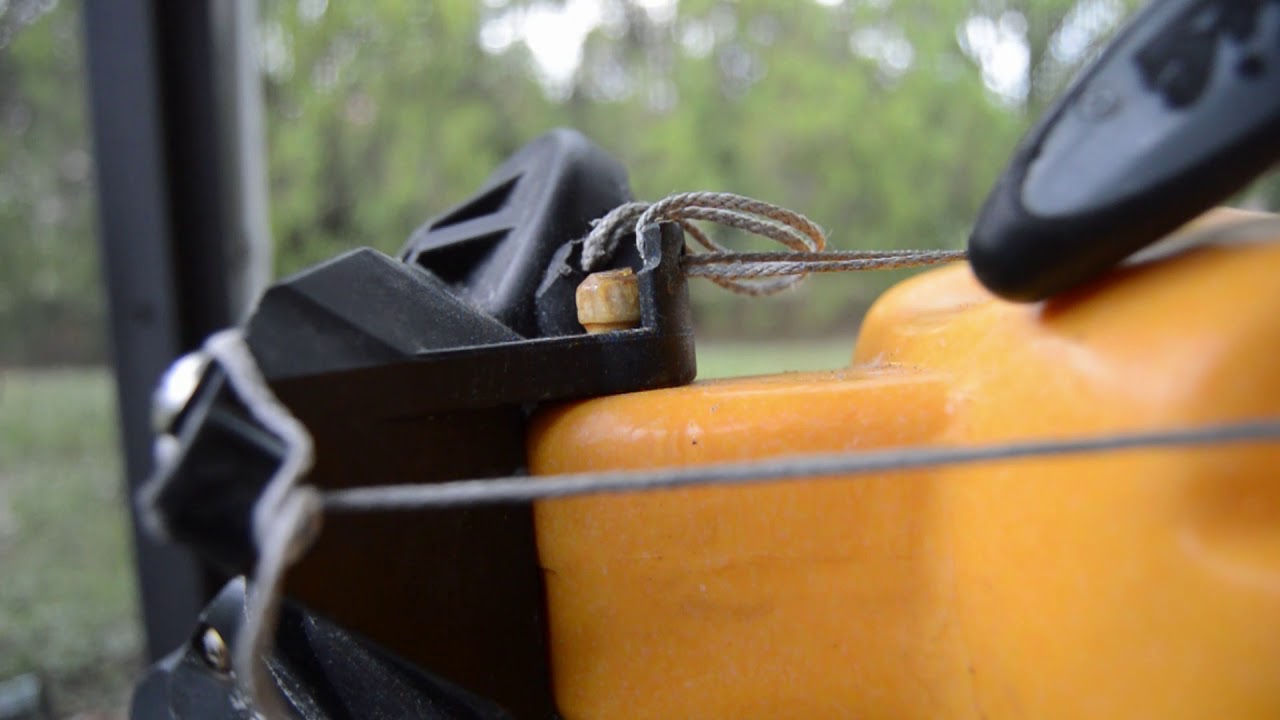
One of the most frequent problems is difficulty in deploying or retracting the rudder. This can often be resolved by ensuring the rudder lines are not tangled or obstructed. Additionally, make sure the rudder is firmly cleated down to avoid steering problems.

“If you’ve been having steering problems with a Hobie Twist & Stow rudder, make sure you are cleating the rudder down firmly. On most models, the cleat in question is a small black clam cleat.”
If these steps don’t resolve the issue, consulting the Hobie Twist & Stow rudder repair guide or contacting a local Hobie dealer may be necessary.
Maintenance Tips
Regular maintenance is key to keeping your Hobie Twist and Stow rudder system in top condition:
- Inspect Regularly: Check the rudder lines and mechanism for any signs of wear or damage.
- Clean Thoroughly: Rinse the rudder system with fresh water after each use, especially if you’ve been in saltwater.
- Lubricate: Apply a suitable lubricant to the moving parts to ensure smooth operation.
By following these maintenance tips, you can prolong the life of your Twist and Stow rudder and ensure it performs reliably. For additional tips on optimizing your kayak, check out our guide on storage space optimization.
Understanding Fixed Rudder Systems
Design and Mechanism
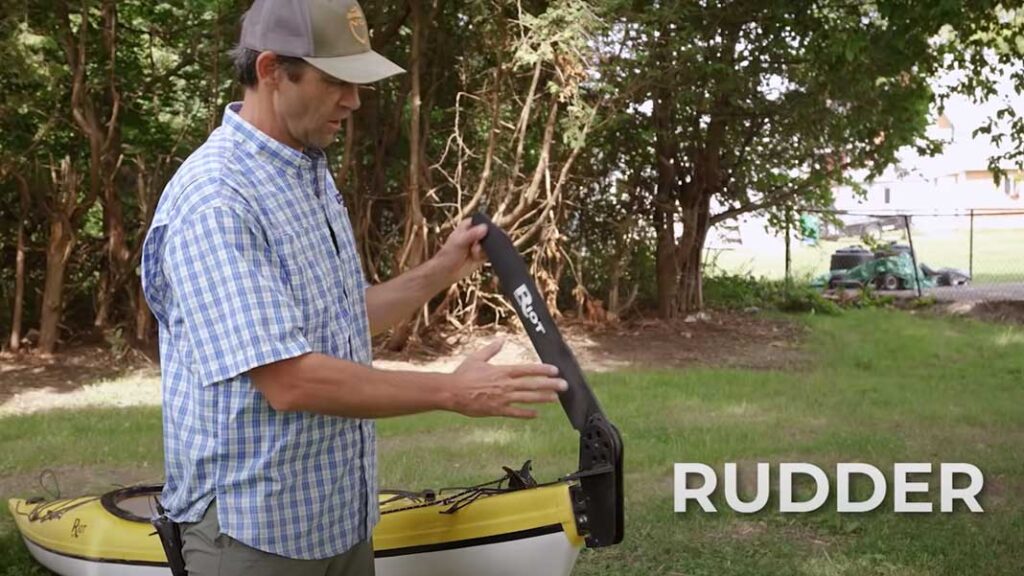
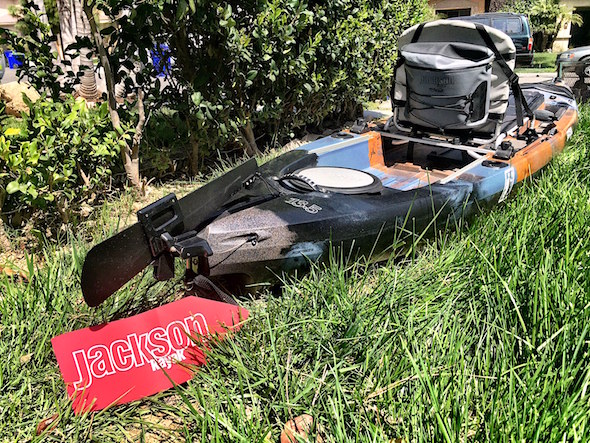
Fixed rudder systems are straightforward in design, offering a rudder blade that is permanently fixed in place at the stern of the kayak. Unlike the Twist and Stow system, these rudders do not retract or stow away. Instead, they provide consistent steering assistance by remaining submerged in the water at all times.
These systems often use a foot pedal or hand control to adjust the rudder’s angle, allowing the kayaker to steer with ease. The simplicity of the design makes fixed rudder systems highly reliable and easy to maintain.
Advantages of Fixed Rudders
Fixed rudder systems come with their own set of advantages that make them a preferred choice for many kayakers:
- Stability: Fixed rudders provide consistent stability, making them ideal for open waters and strong currents.
- Durability: With fewer moving parts, fixed rudders are less prone to mechanical issues and wear and tear.
- Ease of Use: Once installed, fixed rudders require minimal adjustments, allowing kayakers to focus on paddling.
These benefits make fixed rudders a solid choice for those who prioritize stability and durability in their kayaking adventures.
Common Issues and Troubleshooting
Although fixed rudder systems are generally reliable, they can still encounter issues:
One common problem is the rudder becoming stuck or difficult to turn. This can often be resolved by checking the control lines for tangles or obstructions. Additionally, make sure the foot pedals or hand controls are functioning correctly.
“If your fixed rudder system is hard to turn, inspect the control lines for any tangles or obstructions. Ensuring the foot pedals or hand controls are working properly can also help resolve the issue.”
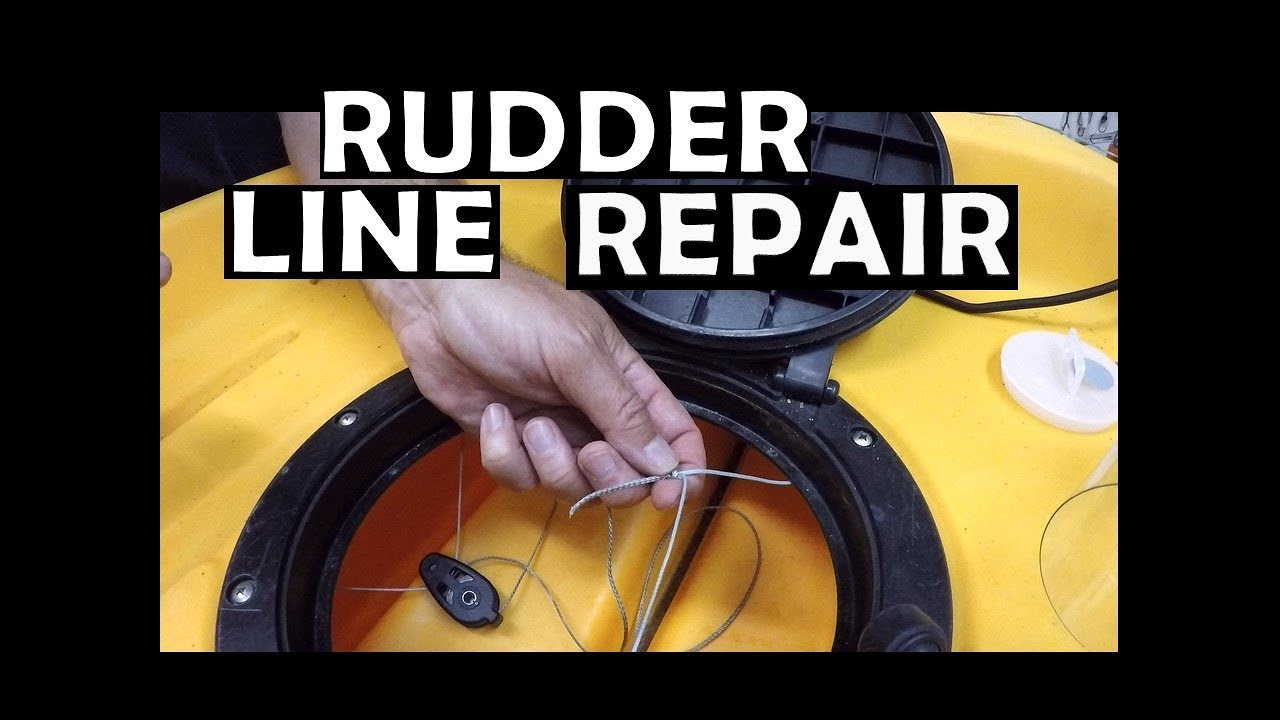
In cases where these steps don’t fix the problem, it may be necessary to consult the manufacturer’s manual or seek professional assistance.
Maintenance Tips
Maintaining a fixed rudder system is relatively simple due to its straightforward design:
- Inspect Regularly: Periodically check the rudder and control lines for signs of wear or damage.
- Clean Thoroughly: Rinse the rudder system with fresh water after each use, especially if you’ve been kayaking in saltwater.
- Lubricate: Apply a suitable lubricant to the control lines and moving parts to ensure smooth operation.
By following these maintenance tips, you can keep your fixed rudder system in excellent condition and enjoy a hassle-free kayaking experience. For more detailed guidance, you can refer to this Hobie Mirage Passport pedal adjustment tutorial.
Comparative Analysis
Performance in Various Conditions
When it comes to performance, both the Hobie Twist and Stow rudder and fixed rudder systems have their strengths:
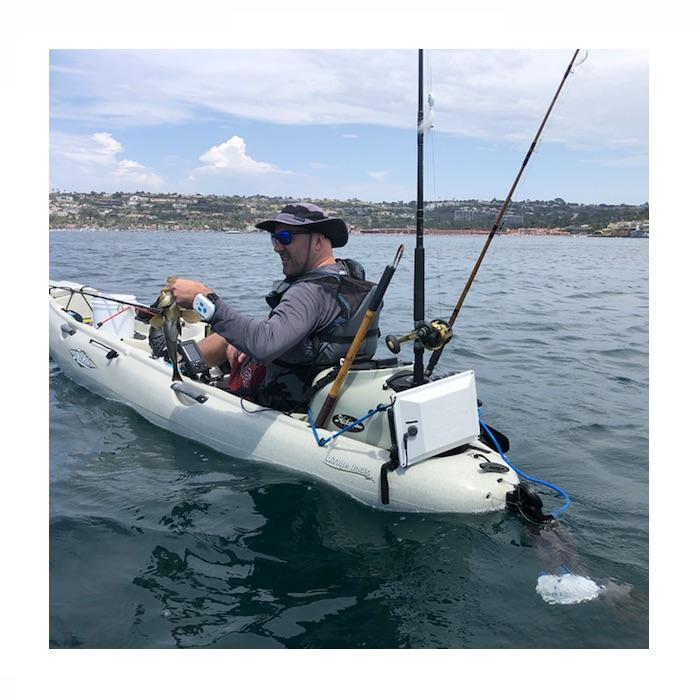
The Twist and Stow rudder excels in shallow waters and areas where obstacles may be present. Its ability to retract helps avoid damage and allows for easy maneuvering in tight spaces. On the other hand, fixed rudders shine in open waters and strong currents, providing consistent stability and control.
“The Twist and Stow rudder is perfect for shallow waters and obstacle-laden areas, while fixed rudders offer superior stability in open waters and strong currents.”
Maneuverability and Control
Maneuverability and control are crucial factors when choosing a rudder system, especially when considering different Hobie MirageDrive features:
The Twist and Stow rudder offers excellent maneuverability, especially in environments where you need to quickly deploy or retract the rudder. This flexibility can be a game-changer in dynamic water conditions. Fixed rudders, while less flexible, provide consistent control and stability, making them ideal for long-distance paddling and open water conditions.
Durability and Longevity
Durability is another important consideration when evaluating kayak rudder systems. For instance, understanding the features of the Hobie MirageDrive can provide insights into the longevity and resilience of these systems.
Fixed rudder systems typically have the edge in terms of durability. With fewer moving parts, they are less susceptible to mechanical issues and wear. The Twist and Stow rudder, while durable, requires more regular maintenance to ensure all components function smoothly.
Therefore, if longevity and minimal maintenance are your priorities, a fixed rudder system might be the better choice.
Ease of Use and Installation
Both systems have their own ease of use and installation aspects:
The Twist and Stow rudder is user-friendly and can be easily deployed or retracted with a simple twist. Installation, however, may require some technical know-how and adjustment. Fixed rudders are straightforward to use once installed but may require more effort during the initial setup, especially if modifications to the kayak are needed.
Cost Considerations
Cost is always a factor when choosing a rudder system. For instance, when comparing different kayak models, such as the Hobie Mirage Passport 10.5 vs 12.0, it’s essential to consider the price differences and what each offers in terms of performance and features.
The Hobie Twist and Stow rudder system generally falls into the moderate price range, offering good value for its versatility and ease of use. Fixed rudder systems can vary widely in cost, depending on the brand and features. However, they often prove to be a cost-effective choice in the long run due to their durability and lower maintenance requirements.
Recommendations for Kayakers
Best Scenarios for Twist and Stow
The Hobie Twist and Stow rudder system is best suited for:
- Shallow waters and areas with obstacles
- Kayakers who need quick deployment and retraction
- Those who prioritize maneuverability and flexibility
If you frequently kayak in varied water conditions and need a versatile rudder system, the Twist and Stow is an excellent choice.
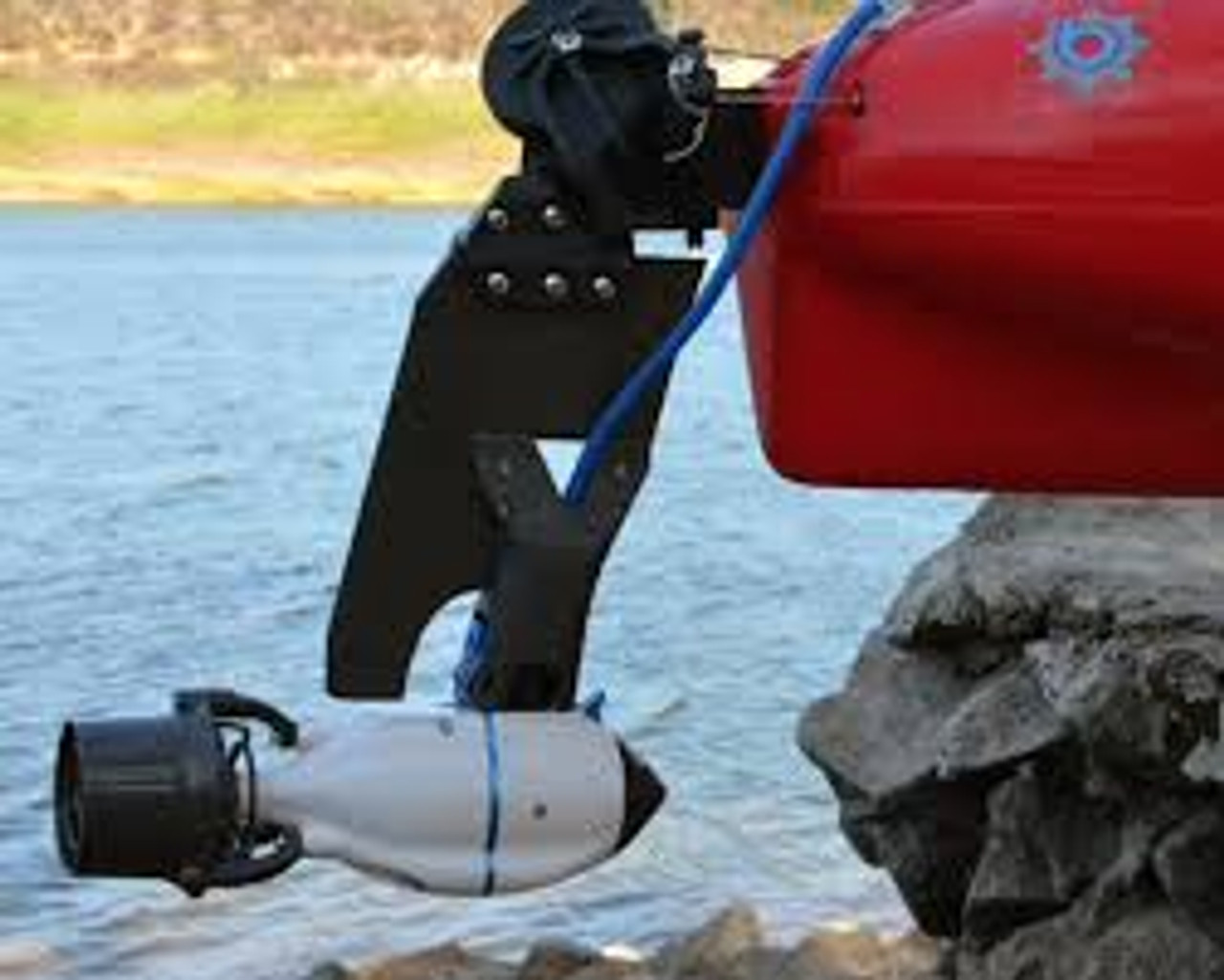
The Hobie Twist and Stow rudder system is best suited for:
- Shallow waters and areas with obstacles
- Kayakers who need quick deployment and retraction
- Those who prioritize maneuverability and flexibility
Best Scenarios for Fixed Rudders
Fixed rudder systems are ideal for:
- Open waters and strong currents
- Long-distance paddling
- Kayakers who prioritize stability and durability
For those who paddle in open waters or face strong currents, a fixed rudder system provides the stability and control needed for a smooth and enjoyable experience. Learn more about seasonal fishing tips for your next adventure.
Personal Preferences and Experience Level
When choosing between the Hobie Twist and Stow rudder system and a fixed rudder system, consider your personal preferences and experience level:
If you are a beginner or enjoy paddling in various water conditions, the Twist and Stow rudder system’s versatility and ease of use may be more appealing. On the other hand, if you are an experienced kayaker who frequently ventures into open waters, the stability and durability of a fixed rudder system may better suit your needs.

Conclusion
Choosing the right rudder system for your kayak can significantly enhance your paddling experience. Both the Hobie Twist and Stow rudder system and fixed rudder systems offer unique advantages, making them suitable for different kayaking environments and preferences.
By understanding the key differences, advantages, common issues, and maintenance requirements of each system, you can make an informed decision that aligns with your kayaking goals and needs. For example, learning about the Hobie MirageDrive features can provide valuable insights into the advantages of different rudder systems.
Summary of Key Points
- The Hobie Twist and Stow rudder system is ideal for shallow waters and offers easy deployment and retraction.
- Fixed rudder systems provide better stability and control in open waters and strong currents.
- Regular maintenance is essential for the Twist and Stow rudder system to ensure smooth operation.
- Fixed rudder systems are generally more durable and require less frequent adjustments.
- Choosing the right rudder system depends on your kayaking environment, personal preferences, and experience level.
Frequently Asked Questions (FAQ)
How do I know which rudder system is right for me?
Consider your kayaking environment, personal preferences, and experience level. The Hobie Twist and Stow rudder system is ideal for shallow waters and versatile conditions, while fixed rudder systems provide stability and control in open waters and strong currents.
What are the maintenance requirements for each system?
The Hobie Twist and Stow rudder system requires regular inspections, cleaning, and lubrication to ensure smooth operation. Fixed rudder systems are generally more durable and require less frequent adjustments, but periodic checks and cleaning are still recommended.
Can I upgrade my kayak to a different rudder system?
Yes, you can upgrade your kayak to a different rudder system. However, it may require some modifications and technical know-how. Consult your kayak manufacturer or a professional for guidance on the best approach for your specific kayak model.
In summary, the best rudder system for you will depend on your specific kayaking needs and preferences. Whether you choose the versatile Hobie Twist and Stow rudder system or the reliable fixed rudder system, both options can enhance your kayaking experience and help you navigate the waters with confidence.


Follow Us
Recent Posts
- Eco-Friendly Sustainable Bass Fishing Tips
- The Potential of the Hobie Mirage Revolution 11: Inshore vs. Offshore Bass Fishing

- Hobie Twist and Stow Rudder vs. Fixed Rudder Systems: A Comparative Analysis

- Hobie Mirage Outback Performance in Fishing Tournaments

- Advanced Hobie Mirage Outback Pedal Techniques for Serious Anglers