Your cart is currently empty!
Advanced Hobie Mirage Outback Pedal Techniques for Serious Anglers
Posted by
–
Key Takeaways
- Reverse pedaling in the Hobie Mirage Outback enhances maneuverability and allows for precise positioning.
- Multitasking while pedaling can optimize your fishing experience by letting you manage your line and control the kayak simultaneously.
- Proper form and regular practice are crucial for mastering advanced pedal techniques.
- Maintaining your pedal system ensures longevity and smooth operation of your kayak.
- Adjusting your approach based on water conditions can significantly improve your fishing success.
Introduction to Advanced Pedal Techniques
Fishing from a kayak can be incredibly rewarding, especially when you have the right tools and techniques. The Hobie Mirage Outback is a favorite among serious anglers due to its versatility and advanced pedal system. Today, we’ll delve into some advanced pedal techniques that can take your fishing game to the next level.
Basic Operations and Functionalities of the Hobie Mirage Outback
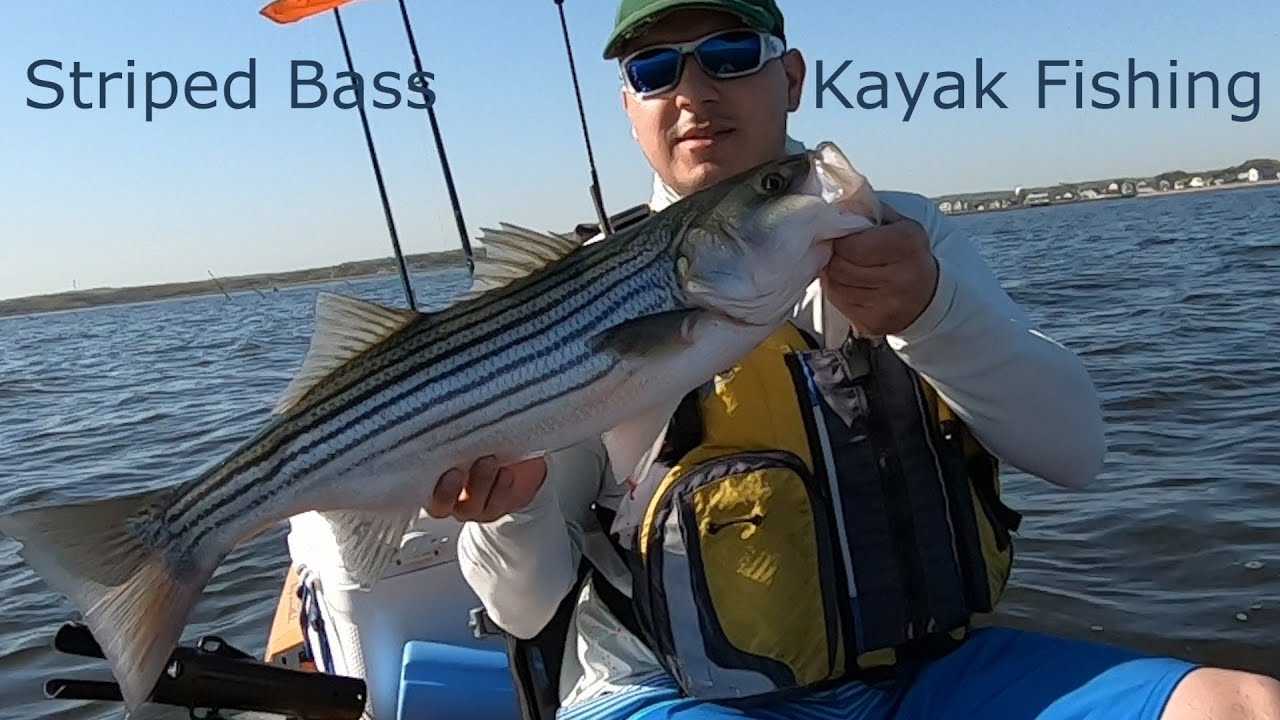
Before diving into advanced techniques, it’s essential to understand the basic operations and functionalities of the Hobie Mirage Outback. This kayak features the Mirage Drive pedal system, which allows for hands-free propulsion. By pedaling, you can move forward, backward, and even turn the kayak with ease.
The Outback also boasts impressive stability, thanks to its wide hull design. This stability is crucial when you’re battling a big fish or navigating choppy waters. Additionally, the kayak includes built-in rod holders, ample storage space, and a comfortable seat, making it an excellent choice for extended fishing trips.
Mastering Advanced Pedal Techniques
Now that we’ve covered the basics, let’s explore some advanced pedal techniques that can enhance your fishing experience. These techniques will help you maneuver more effectively, multitask while pedaling, and improve your overall efficiency on the water.
Reverse Pedaling
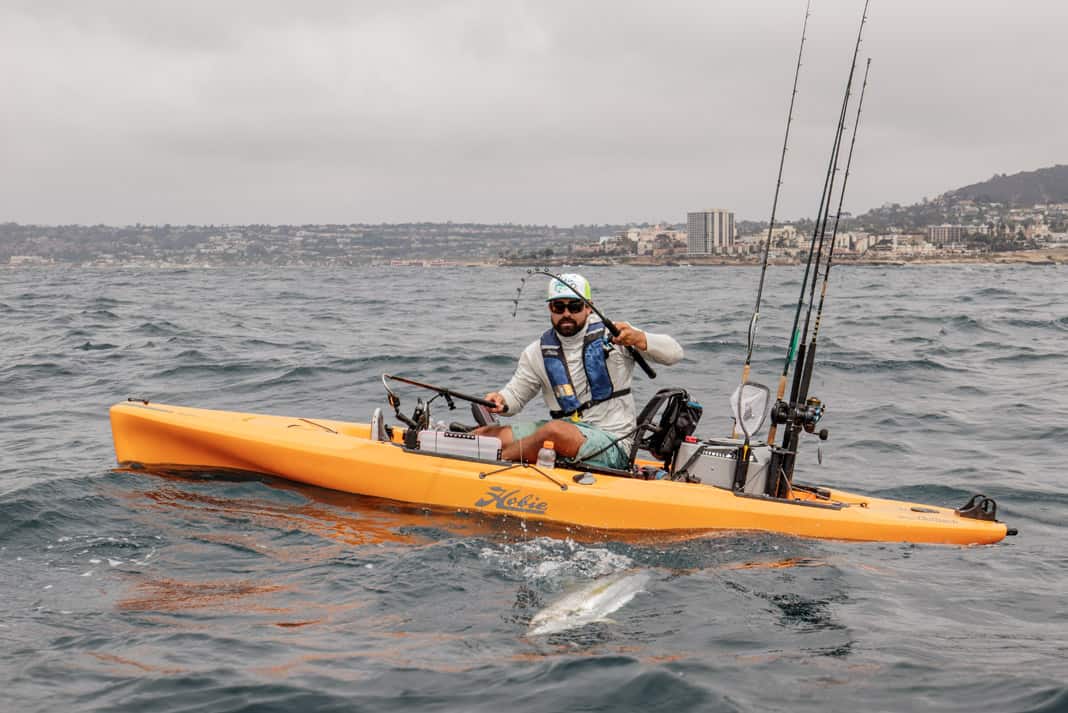
One of the most valuable skills you can learn is reverse pedaling. This technique allows you to back away from obstacles, reposition your kayak, and maintain a strategic position while fishing. To reverse pedal, simply push the pedals in the opposite direction. It may take some practice to get the hang of it, but it’s a game-changer once mastered.
Reverse pedaling is particularly useful when you’re fishing in tight spots or need to quickly change your position without disturbing the water too much. It gives you the control needed to stay close to your target without spooking the fish.
Multitasking While Pedaling
Fishing often requires multitasking, and the Hobie Mirage Outback makes this easier with its hands-free pedal system. You can pedal while managing your line, adjusting your tackle, or even taking a sip of water. The key is to develop a rhythm that allows you to perform these tasks seamlessly.
Here are some tips for effective multitasking:
- Keep your gear organized and within easy reach.
- Practice pedaling with one hand on the rod and the other on the pedal control.
- Use the built-in rod holders to secure your rod while you make adjustments.
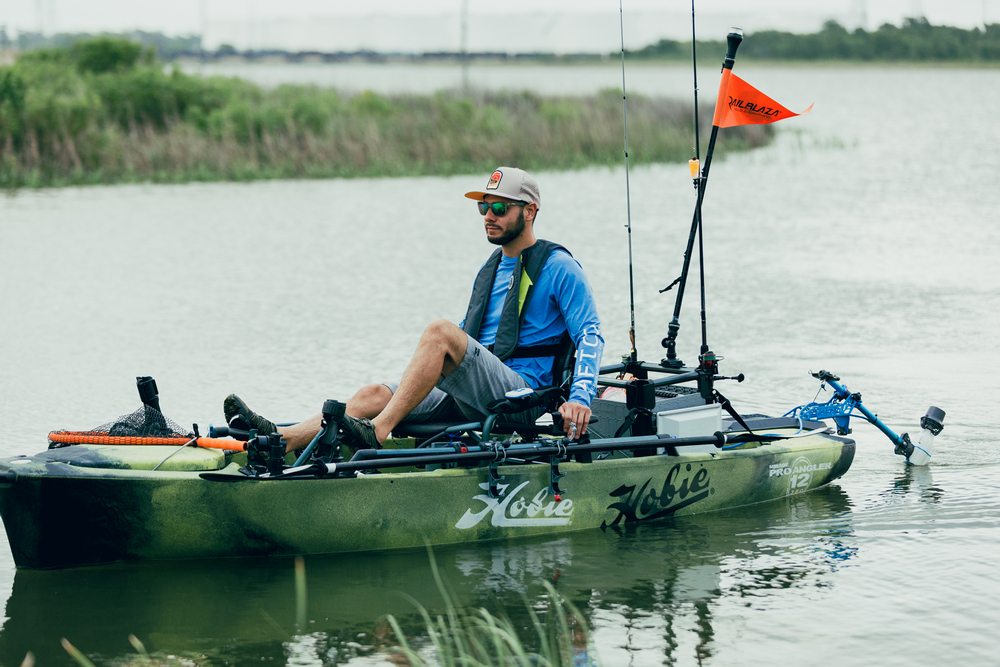
By mastering multitasking, you can maximize your time on the water and increase your chances of landing a big catch.
Maneuvering in Tight Spaces
Fishing in tight spaces, such as narrow channels or around dense vegetation, requires precise maneuvering. The Hobie Mirage Outback’s responsive rudder system and advanced pedal drive make this possible. To navigate tight spaces, consider reviewing this pedal adjustment tutorial for better control.
- Use short, quick pedal strokes to maintain control.
- Utilize the rudder controls to make sharp turns and avoid obstacles.
- Reverse pedal when necessary to back out of tight spots.
Practicing these maneuvers in calm waters can help you build confidence and improve your ability to handle challenging environments.
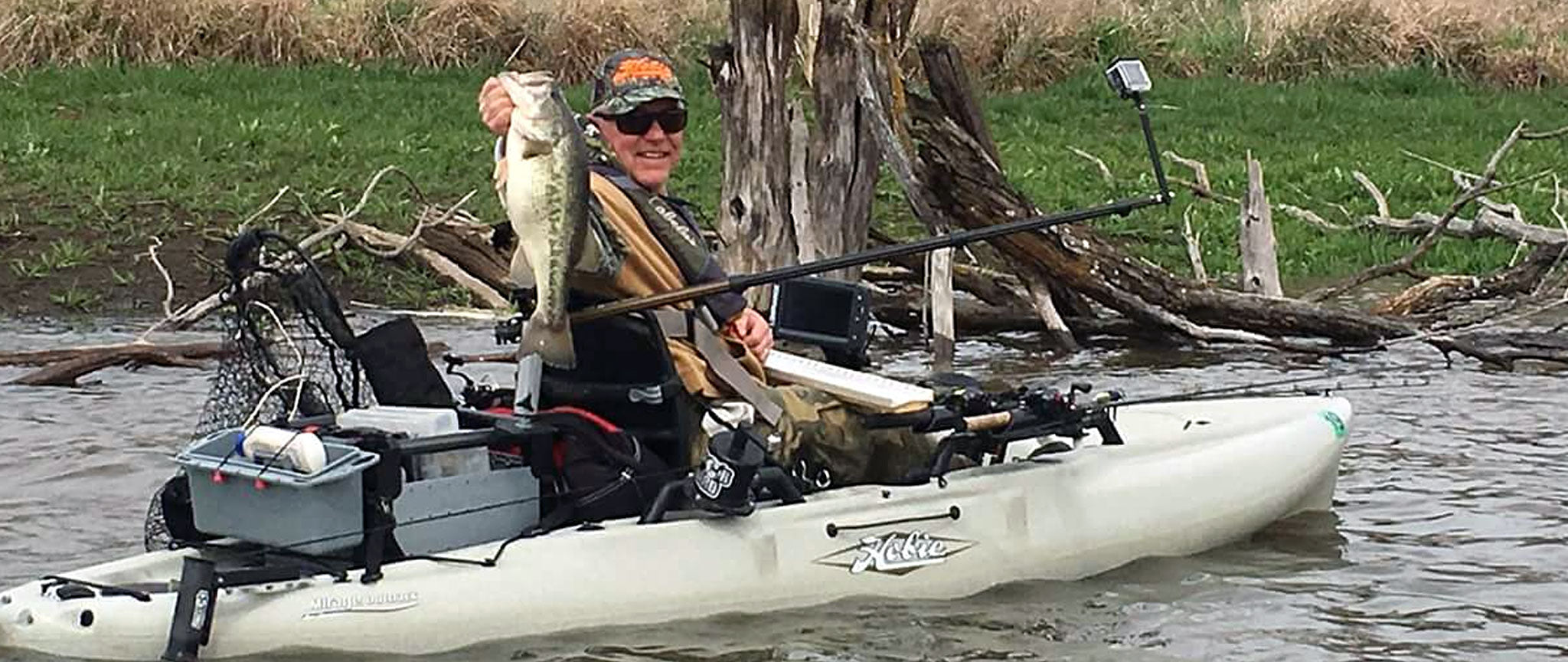
Tracking and Stability Improvements
Effective tracking and stability are essential for a successful fishing trip. The Hobie Mirage Outback’s design already offers excellent stability, but you can further enhance it with a few adjustments:
- Distribute your weight evenly to maintain balance.
- Adjust the seat position to find the most stable configuration.
- Use the skeg or rudder to improve tracking in windy conditions.
By fine-tuning these elements, you can enjoy a smoother and more stable ride, allowing you to focus on fishing rather than staying upright. For more tips, check out our pedal adjustment tutorial.
Practical Tips for Becoming a Pro
Now that we’ve covered some advanced techniques, let’s look at practical tips to help you become a pro. These tips will enhance your skills and ensure you get the most out of your Hobie Mirage Outback.
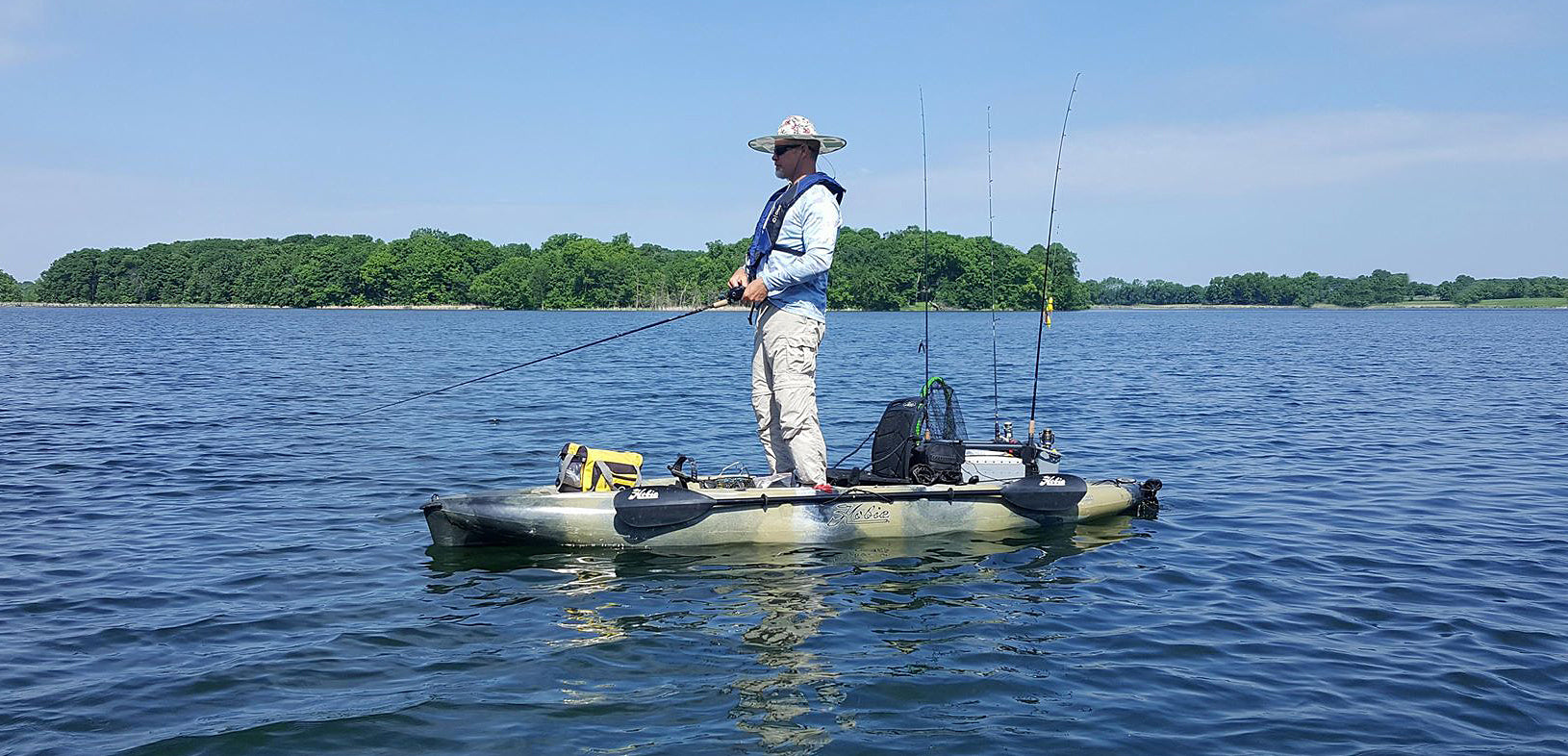
- Practice Regularly: The more time you spend on the water, the better you’ll become. Practice different techniques and challenge yourself to improve.
- Mind Your Form: Proper form is crucial for efficient pedaling. Keep your back straight, shoulders relaxed, and use your leg muscles to power the pedals.
- Use the Right Gear: Invest in high-quality fishing gear and accessories designed for kayak fishing. This includes a comfortable life jacket, waterproof storage, and a reliable fish finder.
- Maintain Your Pedal System: Regular maintenance ensures your pedal system operates smoothly. Check for wear and tear, lubricate moving parts, and replace any damaged components.By following these tips, you’ll be well on your way to becoming a proficient angler with the Hobie Mirage Outback.
Mind Your Form
When pedaling your Hobie Mirage Outback, maintaining proper form is crucial. Sit up straight with your back supported by the seat, and keep your shoulders relaxed. Your legs should do most of the work, pushing the pedals in a smooth, continuous motion. Avoid hunching over or using your arms to pull yourself forward, as this can lead to fatigue and inefficient pedaling. For more tips, check out this pedal adjustment tutorial.
Use the Right Gear
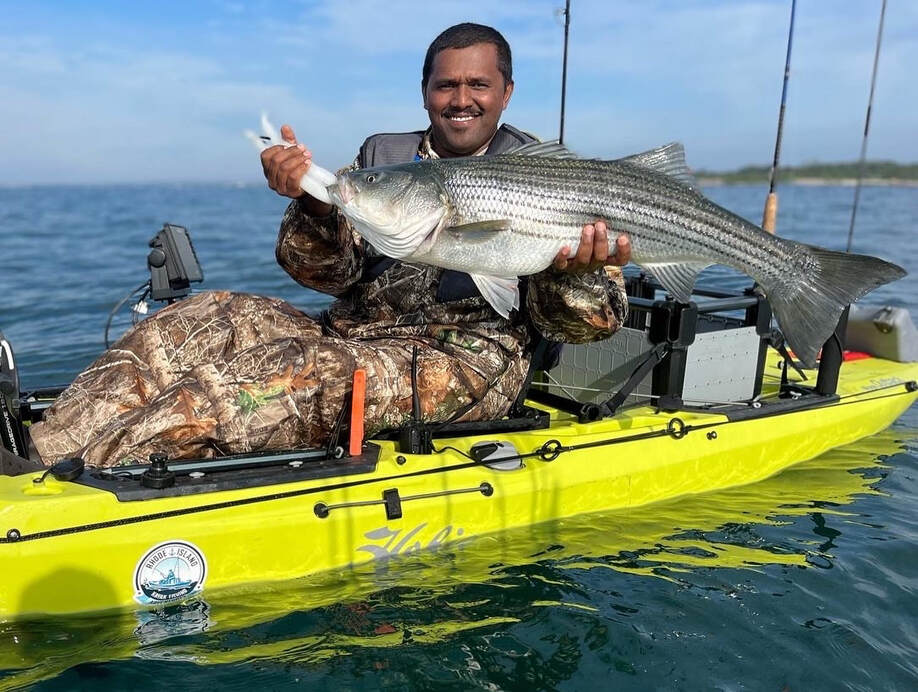
Equipping yourself with the right gear can make a significant difference in your fishing experience. Start with a comfortable, high-quality life jacket designed for kayak fishing. Look for features like multiple pockets and attachment points for tools and accessories.
Waterproof storage is essential for keeping your gear dry and organized. Dry bags and waterproof cases can protect your valuables and keep your tackle and bait in good condition. Additionally, consider investing in a reliable fish finder to help locate fish and underwater structures more effectively.
Lastly, don’t forget about your fishing rod and tackle. Choose a rod that’s suitable for kayak fishing, with a shorter length for easier maneuverability. Use lures and baits that match the species you’re targeting and the conditions you’re fishing in.
Maintain Your Pedal System
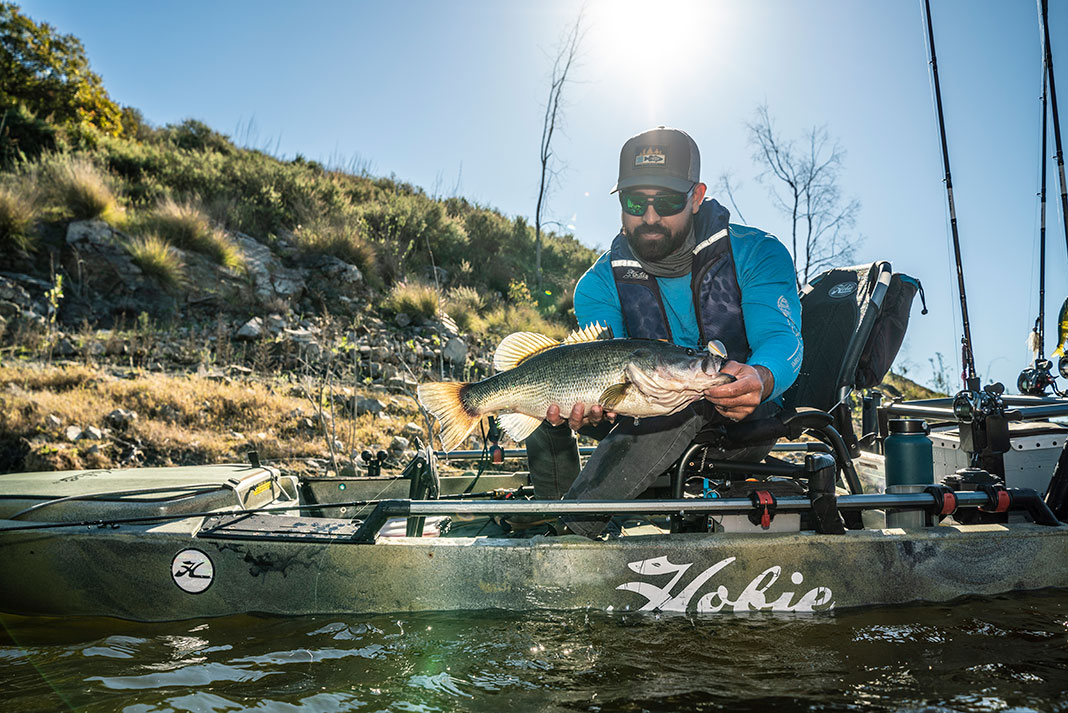
Regular maintenance of your pedal system ensures smooth operation and longevity. Start by inspecting the MirageDrive for any signs of wear and tear. Check the fins and cables for damage, and replace any worn components as needed. Lubricate moving parts with a silicone-based lubricant to keep them operating smoothly.
It’s also essential to rinse your pedal system with fresh water after each use, especially if you’ve been fishing in saltwater. Salt and debris can cause corrosion and damage over time, so a thorough rinse can prevent these issues. Store your MirageDrive in a cool, dry place when not in use to protect it from the elements.
Handling Different Fishing Environments
Fishing in various environments presents unique challenges and requires different techniques. Understanding how to adapt to the following conditions can significantly improve your success on the water:
- Calm Waters
- Rough Waters
- Shallow Areas
- Deep Waters

Each of these environments demands specific approaches and adjustments to your technique, so it’s essential to be prepared for any situation you might encounter. Let’s explore some strategies for handling different fishing environments.
Calm Waters
In calm waters, focus on stealth and precision. Use gentle, steady pedal strokes to move quietly and avoid spooking the fish. Position your kayak strategically to cast into promising spots without disturbing the water too much. Calm waters are ideal for practicing your advanced pedal techniques and refining your approach.
Rough Waters
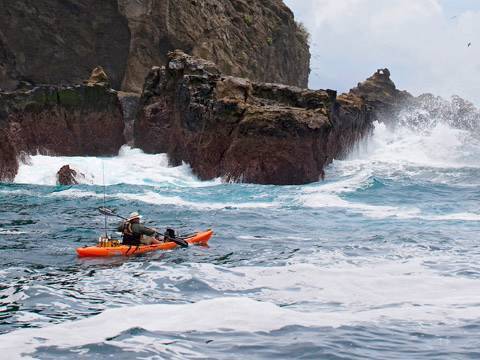
Fishing in rough waters can be challenging, but the Hobie Mirage Outback’s stability and pedal system can help you navigate these conditions. Use the rudder to maintain control and keep your kayak pointed into the waves. Short, powerful pedal strokes can help you stay on course and avoid being pushed off track by the wind and waves.
It’s also essential to secure your gear and keep a low center of gravity to prevent tipping. In rough waters, safety should be your top priority, so always wear your life jacket and be prepared to adjust your plans if conditions become too challenging.
Shallow Areas
Shallow areas require careful maneuvering to avoid damaging your kayak or disturbing the fish. Use short, quick pedal strokes to navigate through shallow waters, and be prepared to lift the MirageDrive if you encounter particularly shallow spots. The Hobie Mirage Outback’s retractable rudder and skeg can help you maintain control and avoid obstacles. For more tips on optimizing your kayak, check out these storage space optimization tips.
Shallow areas often provide excellent fishing opportunities, as fish may congregate in these spots to feed or seek shelter. Approach these areas quietly and cast with precision to increase your chances of success.
Deep Waters
When fishing in deep waters, focus on maintaining a steady pace and using your fish finder to locate promising spots. The Hobie Mirage Outback’s stability and tracking capabilities make it well-suited for deep water fishing. Use longer, more powerful pedal strokes to cover more ground and explore different areas.
In deep waters, it’s essential to pay attention to your surroundings and stay aware of any changes in weather or water conditions. Deep water fishing can be incredibly rewarding, but it also requires careful planning and preparation.
Enhancing Your Fishing Experience
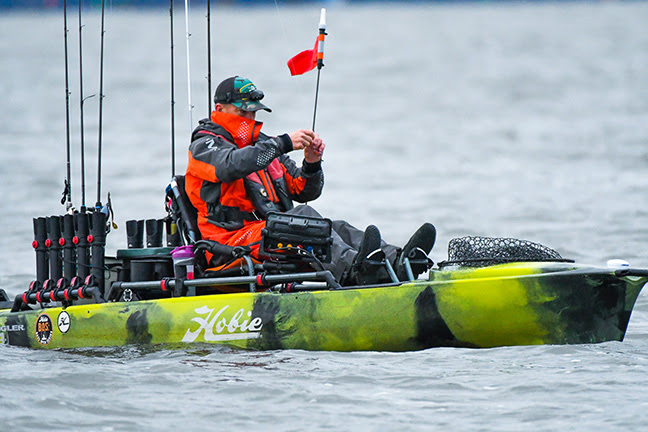
Advanced pedal techniques and a well-maintained kayak are just part of the equation for a successful fishing trip. Enhancing your overall fishing experience involves effective lure presentation, optimal kayak positioning, and a silent approach to fishing spots.
Effective Lure Presentation
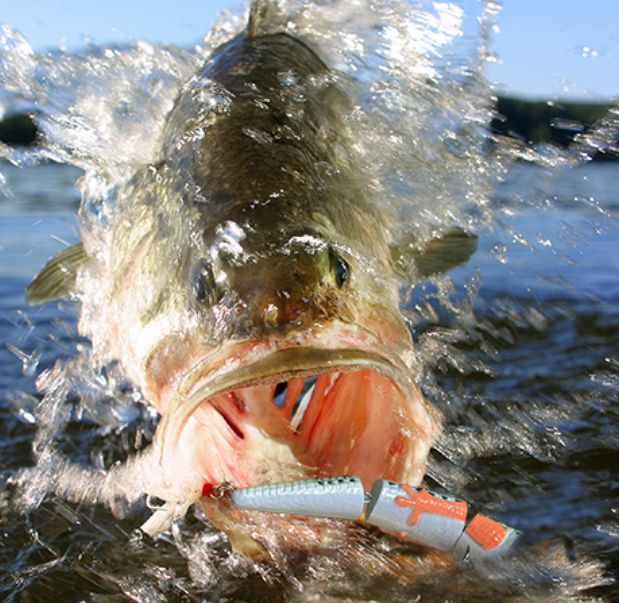
Presenting your lure effectively is crucial for attracting fish and enticing them to bite. Use a combination of casting techniques and pedal movements to achieve the desired presentation. For example, slow pedaling can help you maintain a steady retrieve, while quick bursts of pedaling can create a more erratic, attention-grabbing motion.
Experiment with different lures and retrieval speeds to find what works best for the species you’re targeting. Pay attention to the fish’s behavior and adjust your presentation accordingly. For more insights, check out this Hobie Mirage Outback review.
Positioning Your Kayak for Optimal Casting
Positioning your kayak correctly can make a significant difference in your casting accuracy and overall success. Use the rudder and pedal system to position your kayak at the right angle and distance from your target. This allows you to make precise casts without disturbing the water too much.
Consider factors like wind direction, current, and the fish’s location when positioning your kayak. Being in the right spot can increase your chances of landing a big catch.
Silent Approach to Fishing Spots
“Approach your fishing spots quietly to avoid spooking the fish. Use gentle pedal strokes and minimize any noise or movement that could alert the fish to your presence.”
When it comes to serious angling, silence can be your greatest ally. Fish are highly sensitive to vibrations and noises, and even the slightest disturbance can send them darting away. By mastering a silent approach, you significantly increase your chances of success. Practice moving silently and avoid sudden movements or loud noises.
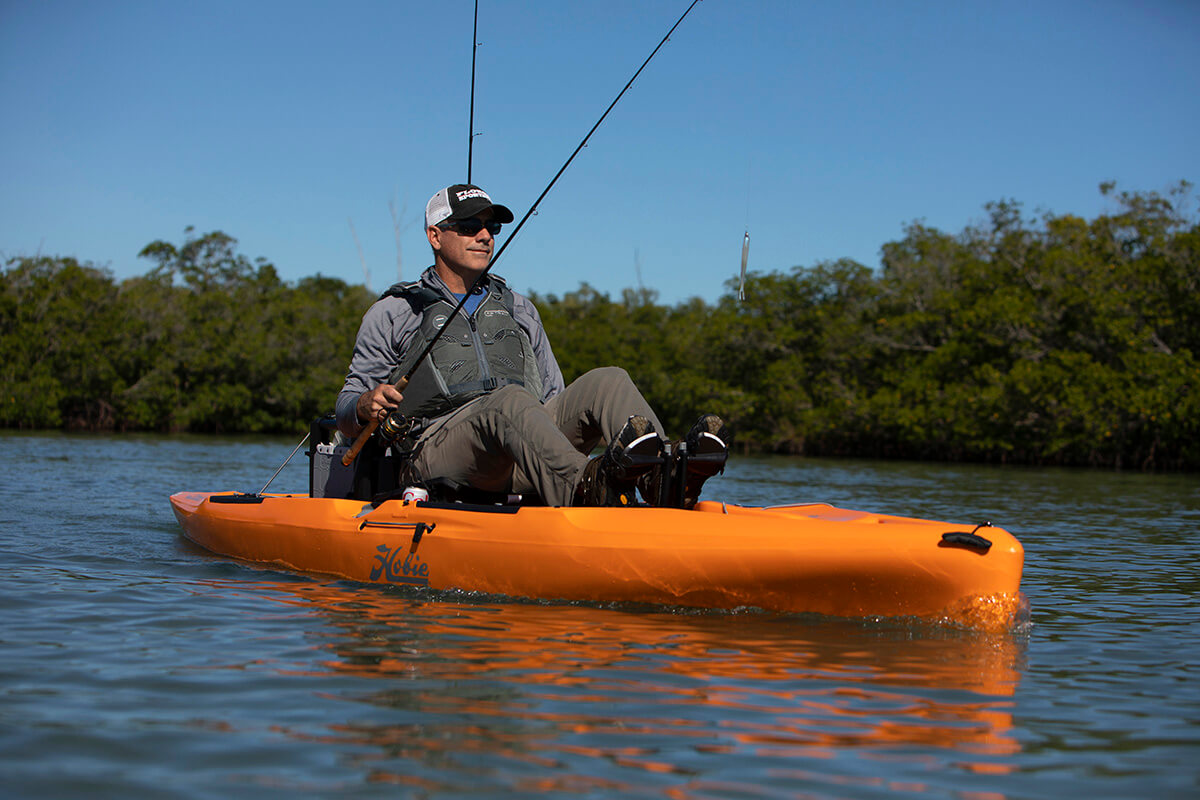
One effective method is to use gentle, steady pedal strokes to move quietly through the water. Avoid splashing or making sudden movements that could alert the fish to your presence. Additionally, make sure your gear is secure and doesn’t rattle or make noise as you move. For a detailed review of the Hobie Mirage Outback, check out this Hobie Mirage Outback pedal fishing kayak review.
Key Benefits of Advanced Pedal Techniques
Mastering advanced pedal techniques in your Hobie Mirage Outback offers several key benefits that can enhance your fishing experience. Let’s explore these advantages in detail.
Increased Efficiency
Advanced pedal techniques allow you to move more efficiently through the water, covering more ground and reaching your desired fishing spots faster. This efficiency means you can spend more time fishing and less time paddling, increasing your chances of a successful catch.
By incorporating techniques like reverse pedaling and multitasking, you can navigate more effectively and make the most of your time on the water. This increased efficiency translates to a more productive and enjoyable fishing trip.
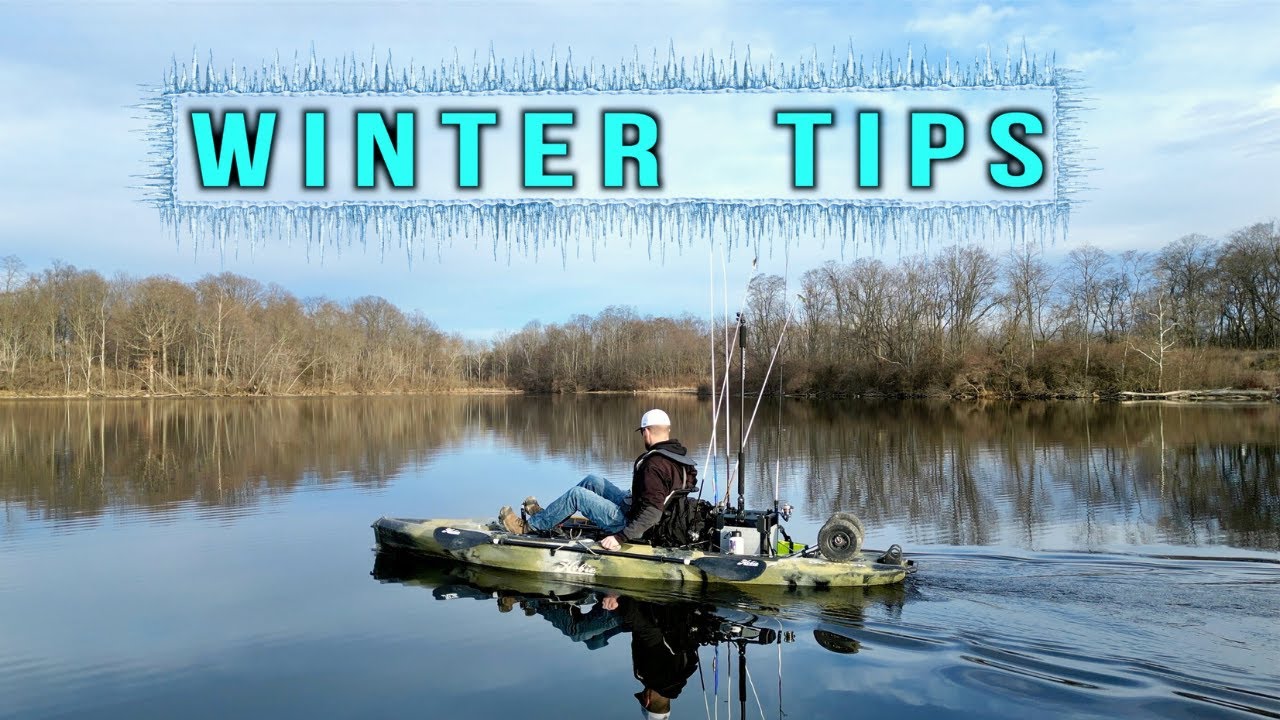
Better Control and Precision
One of the standout benefits of advanced pedal techniques is the improved control and precision they offer. Whether you’re maneuvering in tight spaces, positioning your kayak for optimal casting, or adjusting your lure presentation, these techniques give you the control needed to execute your strategies effectively.
With better control and precision, you can approach fishing spots more stealthily, make accurate casts, and respond quickly to changing conditions. This level of control can make a significant difference in your overall success as an angler.
Enhanced Comfort and Reduced Fatigue
Fishing can be physically demanding, but advanced pedal techniques can help reduce fatigue and enhance your overall comfort. By using proper form and efficient pedaling techniques, you can minimize strain on your muscles and joints, allowing you to fish for longer periods without discomfort.
Additionally, the Hobie Mirage Outback’s ergonomic design and comfortable seating further contribute to a more enjoyable experience. When you’re comfortable and free from fatigue, you can focus more on your fishing and less on physical discomfort. For a detailed review, check out this Hobie Mirage Outback pedal fishing kayak review.

Conclusion: Pedal Your Way to Success
Mastering advanced pedal techniques in your Hobie Mirage Outback can significantly enhance your fishing experience. From reverse pedaling and multitasking to maneuvering in tight spaces and improving tracking and stability, these techniques offer numerous benefits that can make you a more proficient and successful angler.
By practicing regularly, maintaining proper form, using the right gear, and adapting to different fishing environments, you can maximize your time on the water and increase your chances of landing that big catch. Remember, the key to success lies in continuous improvement and a willingness to learn and adapt.
Frequently Asked Questions (FAQ)
How often should I maintain the pedal system?
Regular maintenance is crucial for ensuring the smooth operation and longevity of your pedal system. It’s recommended to inspect and lubricate the MirageDrive after every few uses, especially if you’ve been fishing in saltwater. Additionally, check for any signs of wear and tear and replace damaged components as needed. For more tips, check out our guide on Hobie Mirage customization ideas.
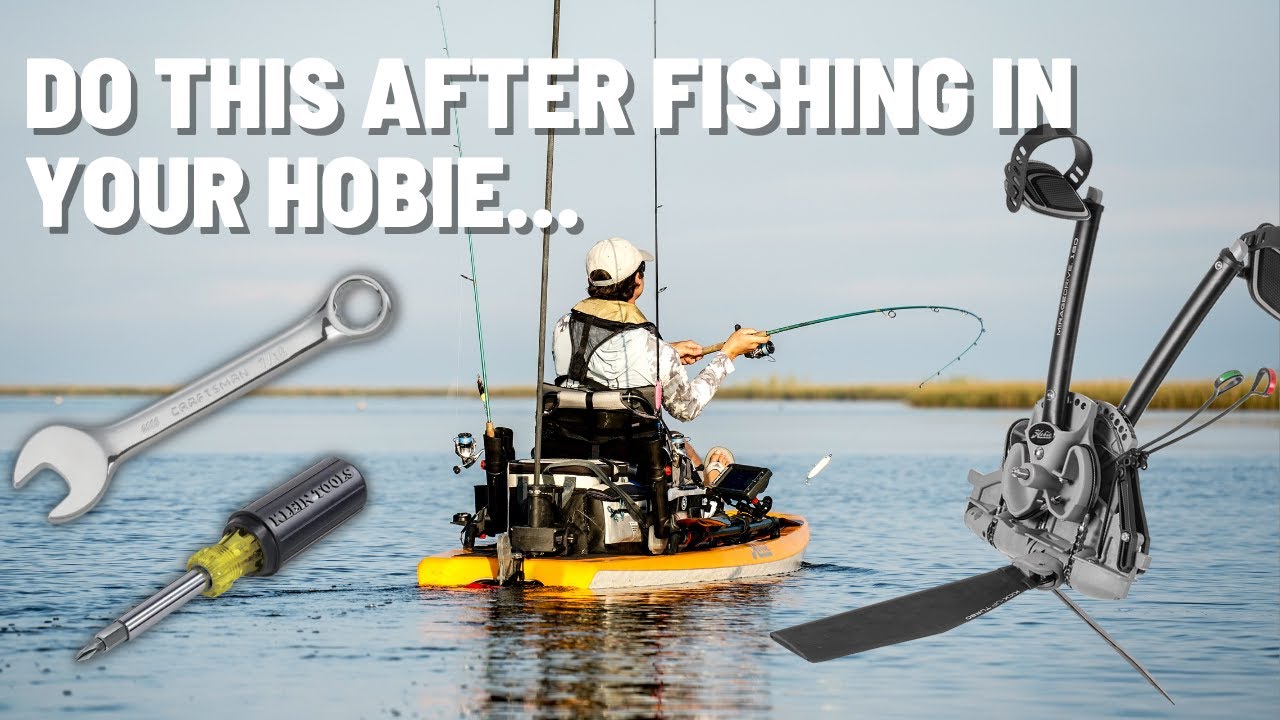
Is reverse pedaling difficult to learn?
Reverse pedaling may take some practice, but it’s not difficult to learn. Start by practicing in calm waters, gradually increasing your confidence and control. With regular practice, you’ll find that reverse pedaling becomes second nature and an invaluable tool for maneuvering and positioning your kayak.
What gear is essential for advanced pedaling?
Essential gear for advanced pedaling includes a comfortable, high-quality life jacket, waterproof storage, and a reliable fish finder. Additionally, invest in a kayak-specific fishing rod, lures, and baits suitable for the species you’re targeting. Proper gear can enhance your overall fishing experience and improve your chances of success.
In summary, advanced Hobie Mirage Outback pedal techniques can significantly improve your fishing experience. By mastering these techniques, serious anglers can navigate waters more efficiently and quietly, enhancing their chances of catching more fish. Learning how to adjust and customize your Hobie Mirage Outback can also play a crucial role in optimizing your kayak for fishing.
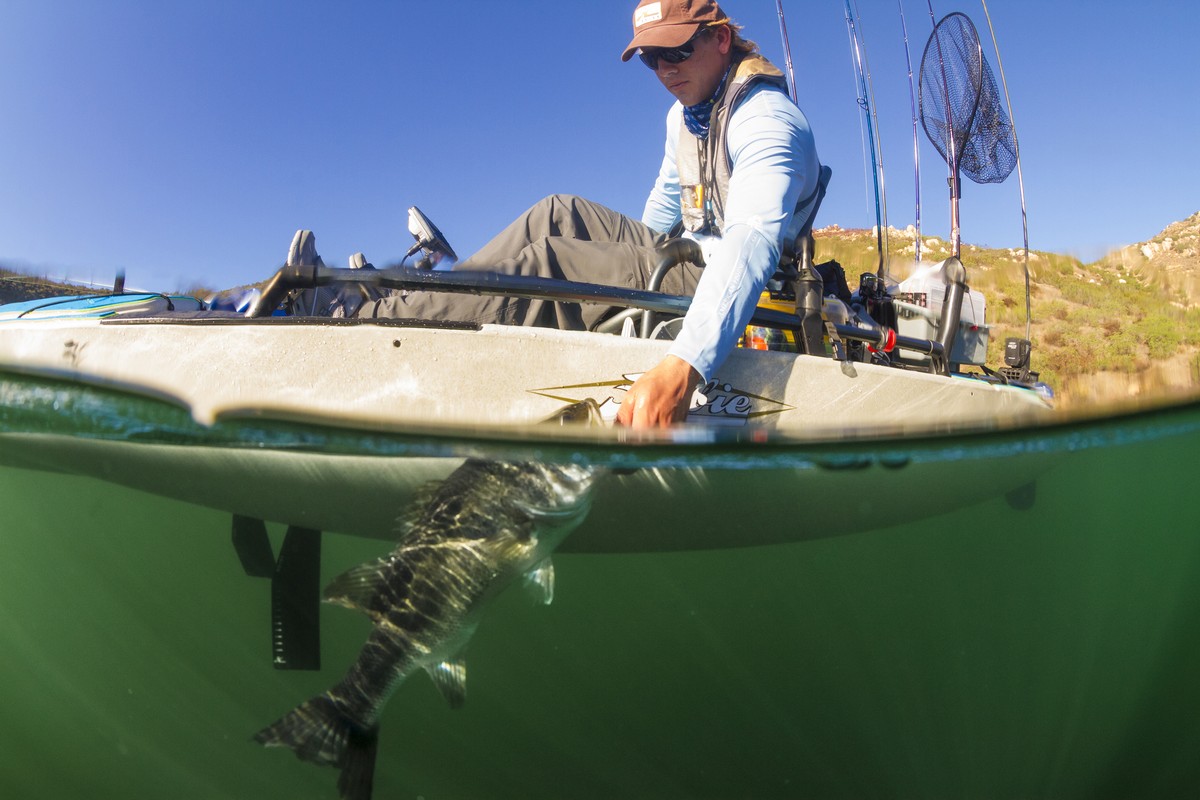
For example, understanding the nuances of pedal adjustment can make a substantial difference in comfort and performance. For those interested in customization ideas, check out this guide on Hobie Mirage Passport customization. Happy fishing, and may your next catch be your best one yet!


Follow Us
Recent Posts
- Eco-Friendly Sustainable Bass Fishing Tips
- The Potential of the Hobie Mirage Revolution 11: Inshore vs. Offshore Bass Fishing
- Hobie Twist and Stow Rudder vs. Fixed Rudder Systems: A Comparative Analysis
- Hobie Mirage Outback Performance in Fishing Tournaments
- Advanced Hobie Mirage Outback Pedal Techniques for Serious Anglers