Your cart is currently empty!
Key Takeaways
- Eco-friendly fishing practices protect fish populations and local ecosystems.
- Choose sustainable gear like barbless hooks and biodegradable baits.
- Proper catch-and-release techniques ensure the survival of fish.
- Using the Hobie Mirage Revolution 13 kayak minimizes environmental impact.
- Participate in local conservation efforts to promote sustainable fishing.
Eco-Friendly Sustainable Bass Fishing Tips for Hobie Mirage Revolution 13
Why Eco-Friendly Fishing Matters
Fishing is a beloved pastime for many, but it’s essential to practice eco-friendly techniques to protect our waterways and fish populations. Overfishing and harmful fishing practices can lead to declining fish numbers and damaged ecosystems. By adopting sustainable methods, we ensure that future generations can enjoy the sport as much as we do.
Embracing Sustainable Fishing Practices
Embracing sustainable fishing practices isn’t just about following rules; it’s about respecting nature and ensuring that our actions don’t harm the environment. It’s essential to understand that every small effort counts.
Here are some key strategies to help you fish sustainably:
Choosing the Right Eco-Friendly Gear
Choosing the right gear can make a significant difference in your impact on the environment. Opt for equipment designed to minimize harm to fish and their habitats. Here are some suggestions:
- Barbless Hooks: These hooks cause less damage to fish, making it easier to release them back into the water safely.
- Biodegradable Baits: Traditional plastic baits can take hundreds of years to decompose. Biodegradable options break down much faster, reducing pollution.
- Lead-Free Weights: Lead is toxic to aquatic life. Use weights made from non-toxic materials like steel or tungsten.
Sustainable Bait and Tackle
Using sustainable bait and tackle is crucial for reducing your environmental footprint. Consider the following tips when selecting your bait and tackle:
Live Bait: Whenever possible, use locally sourced live bait. This reduces the risk of introducing invasive species to the ecosystem.
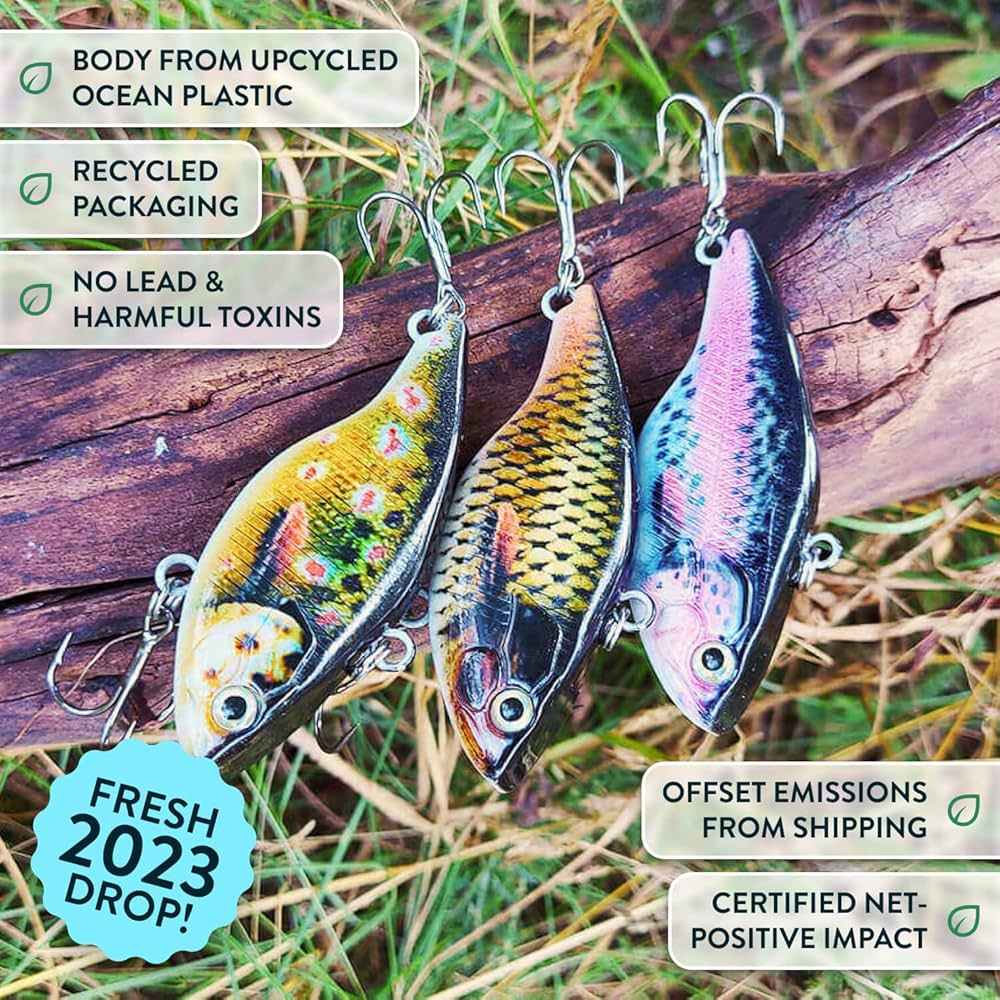
Artificial Lures: High-quality artificial lures can be reused many times, reducing waste. Choose lures made from eco-friendly materials.
Besides that, always ensure your tackle box is well-organized. This helps prevent losing gear in the water, which can be harmful to fish and other wildlife.
Catch-and-Release Techniques
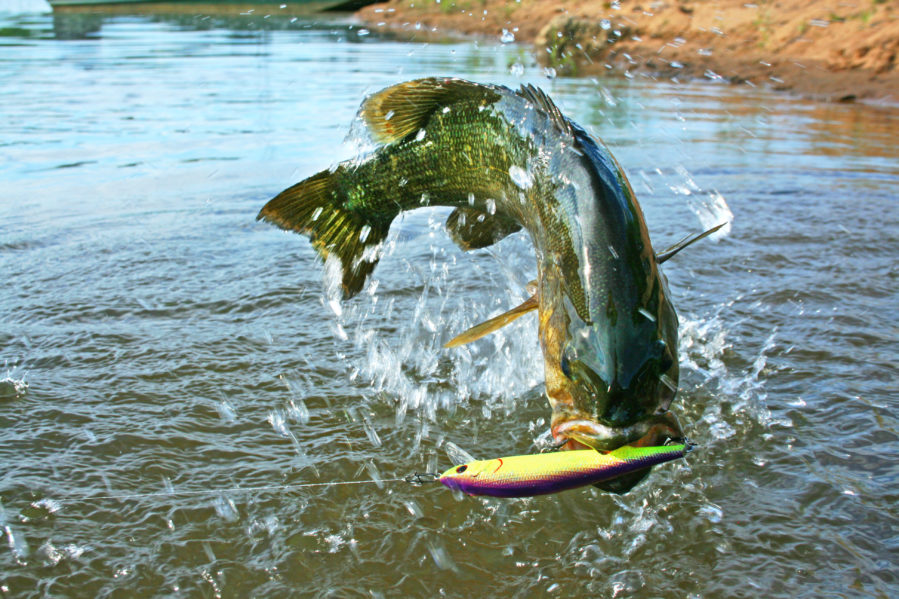
Catch-and-release fishing is a popular method among anglers who want to enjoy the sport without depleting fish populations. However, it’s essential to do it correctly to ensure the fish’s survival. Follow these steps for effective catch-and-release: eco-friendly fishing tips.
- Use Barbless Hooks: These hooks are easier to remove, causing less stress and injury to the fish.
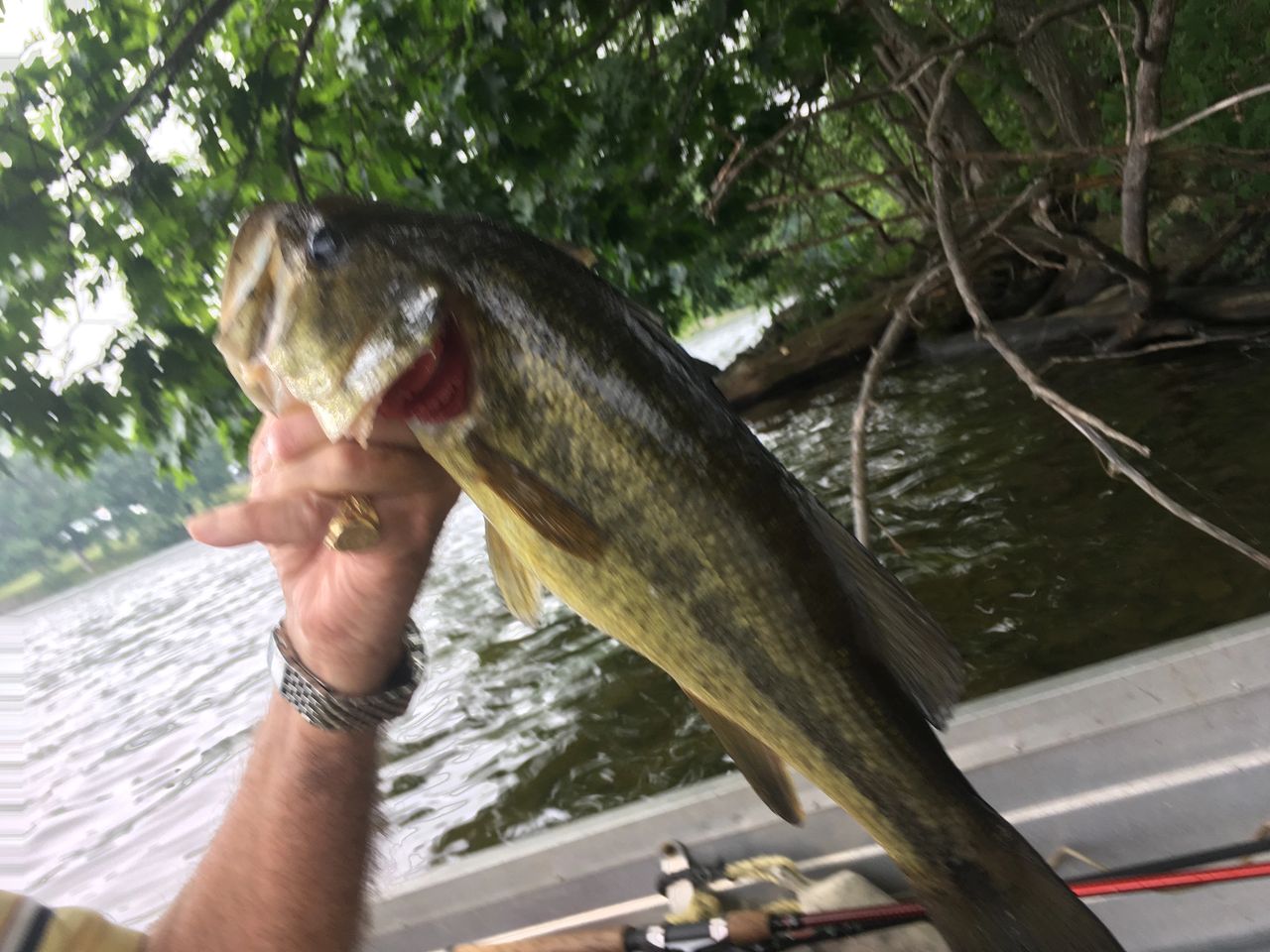
- Handle Fish with Wet Hands: Dry hands and rough surfaces can remove the protective slime coating on fish, making them more susceptible to disease. Using a wet towel or gloves can help protect the fish while you handle them.
- Minimize Air Exposure: Keep the fish in the water as much as possible. If you must remove it, limit the time to under 30 seconds.
- Revive the Fish: Before releasing, hold the fish in the water facing into the current to help it regain strength.
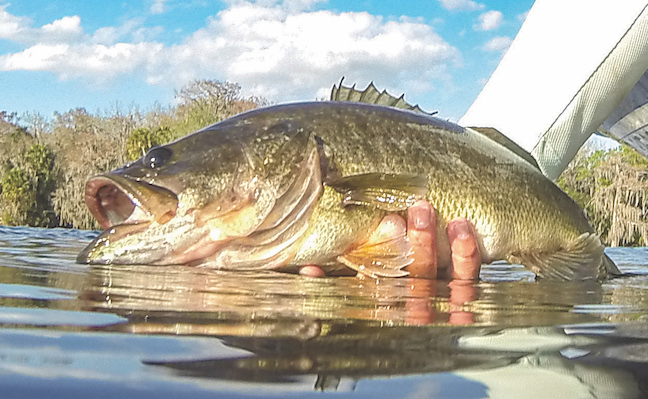
Handling Bass Responsibly
Handling fish responsibly is crucial for their survival and the overall health of the ecosystem and also involves being mindful of how you interact with fish and their habitats. Here are some additional tips:
- Avoid Overhandling: The less you handle the fish, the better. Overhandling can cause stress and injury.
- Always be gentle when catching and releasing fish to minimize stress and injury, and ensure that the fish can return to the water and continue to thrive.
- Use Proper Tools: Tools like fish grippers and dehookers can help you handle fish more efficiently and safely.
- Respect Spawning Seasons: Avoid fishing in areas where fish are known to spawn. This helps protect future generations of fish.
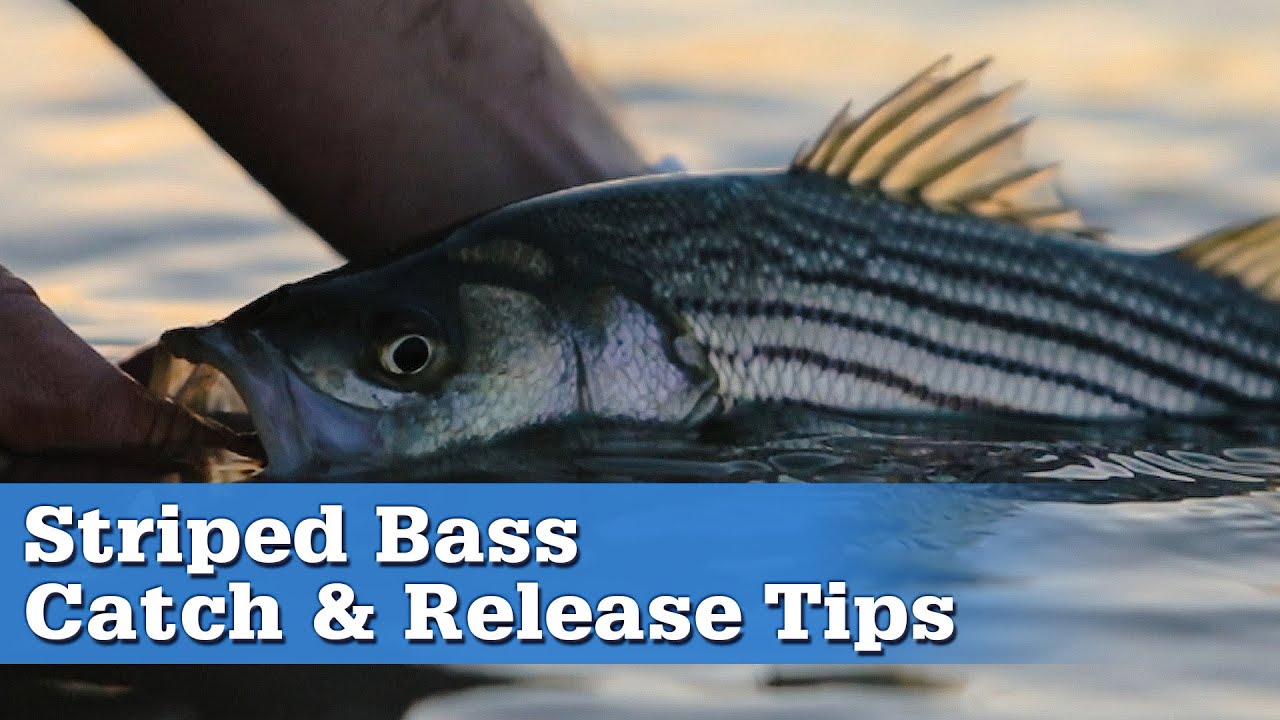
Leveraging Your Hobie Mirage Revolution 13
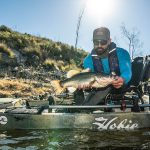
The Hobie Mirage Revolution 13 is an excellent choice for eco-friendly fishing. This kayak’s design allows you to navigate waters with minimal environmental impact, making it an ideal platform for sustainable fishing practices.
Benefits of Using the Hobie Mirage Revolution 13
One of the primary benefits of the Hobie Mirage Revolution 13 is its MirageDrive system, which allows you to pedal instead of paddle. This hands-free propulsion system gives you better control and maneuverability, making it easier to fish sustainably.
Besides that, the kayak’s stability and spacious on-deck cargo area make it perfect for carrying all your eco-friendly gear. You can easily store your tackle box, bait, and other equipment without cluttering the deck. For more tips on optimizing your kayak’s storage space, check out these storage space optimization tips.
Rigging Your Kayak for Sustainable Fishing
Rigging your kayak for sustainable fishing involves setting it up in a way that minimizes your environmental impact. Start by organizing your gear to ensure easy access and reduce the risk of losing items overboard.
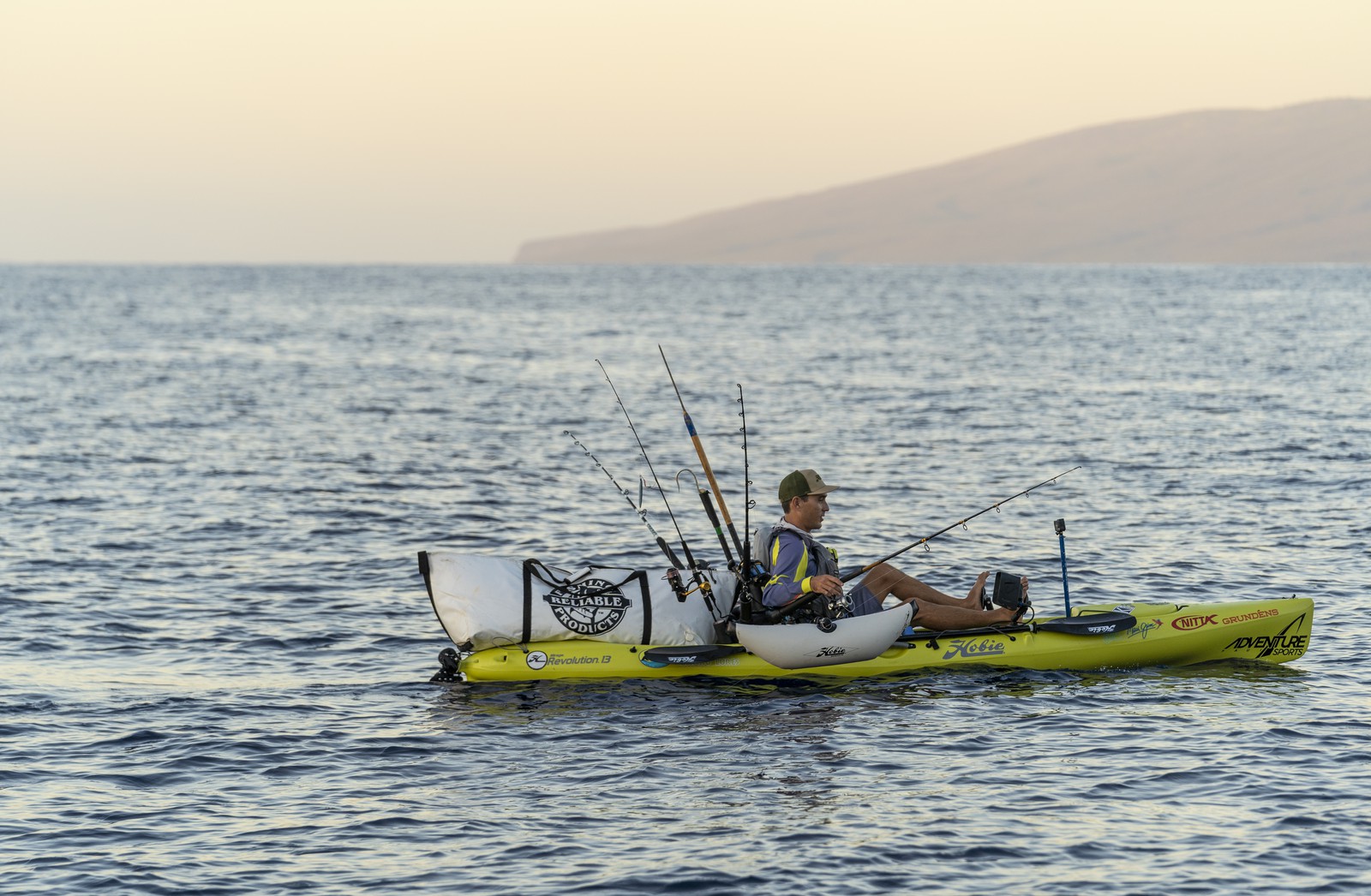
Use rod holders and tackle storage solutions to keep everything secure and within reach. This setup not only makes your fishing experience more efficient but also helps protect the environment by preventing gear from ending up in the water.
Additionally, consider installing a fish finder to help you locate fish without disturbing their habitats. This technology allows you to target specific areas, reducing the need to cast repeatedly and potentially harm the ecosystem.
Using the MirageDrive Efficiently
The MirageDrive system is a game-changer for eco-friendly fishing. By using your legs to pedal, you can navigate waters quietly and efficiently, reducing your impact on the environment.
When using the MirageDrive, maintain a steady and consistent pedaling pace to minimize disturbances to the water. This technique helps you approach fishing spots without scaring away the fish.
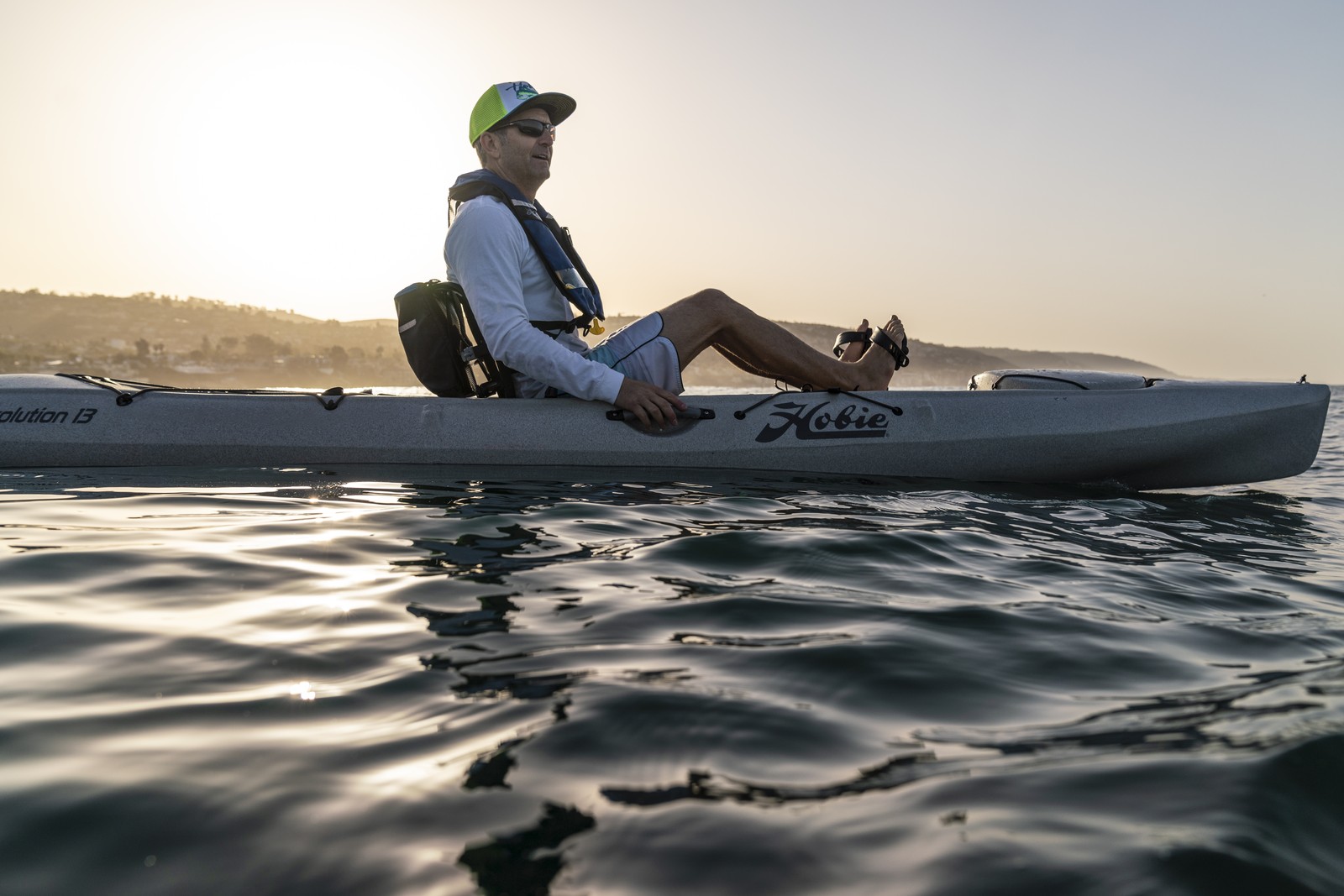
Furthermore, the MirageDrive’s quiet operation ensures that you don’t disrupt the natural behavior of aquatic life, allowing you to fish more sustainably. For more eco-friendly fishing tips, check out this article on eco-friendly fishing.
Minimizing Environmental Impact
Minimizing your environmental impact is a fundamental aspect of eco-friendly fishing. Every action you take on the water can affect the ecosystem, so it’s essential to be mindful of your practices.
Proper Waste Disposal
Proper waste disposal is critical for protecting our waterways. Always carry a trash bag with you to collect any waste generated during your fishing trip. This includes food wrappers, discarded fishing line, and any other debris.
Never leave trash behind, as it can harm wildlife and pollute the water. Dispose of your waste responsibly by taking it home or using designated disposal facilities at the fishing site.
Protecting Local Ecosystems
Protecting local ecosystems involves being aware of the impact your actions have on the environment. Avoid disturbing vegetation and wildlife habitats, and always follow the principles of “Leave No Trace.”
Additionally, be mindful of the fish species you target. Some fish populations may be more vulnerable than others, so it’s essential to follow local regulations and guidelines to ensure their protection.
Besides that, avoid using harmful chemicals or pollutants near the water. This includes cleaning products, fuel, and other substances that can contaminate the ecosystem.
Fishing Regulations and Best Practices
Fishing regulations and best practices are designed to protect fish populations and their habitats. Always stay informed about the rules and guidelines for the area where you’re fishing. For more detailed seasonal advice, check out these seasonal fishing tips for freshwater lakes.
Follow catch limits and size restrictions to ensure that you’re not overfishing or targeting vulnerable species. These regulations are in place to maintain a healthy balance in the ecosystem. For more tips on sustainable fishing, visit eco-friendly fishing tips.
Additionally, practice selective harvesting by only keeping fish that you intend to eat and releasing the rest. This approach helps preserve fish populations for future generations.
Educational Opportunities and Community Involvement
Getting involved in educational opportunities and community initiatives is a great way to promote sustainable fishing practices. By sharing your knowledge and experiences, you can inspire others to adopt eco-friendly methods. For example, you can discuss seasonal fishing tips that align with sustainable practices.
Joining Conservation Groups
Joining conservation groups allows you to connect with like-minded individuals who are passionate about protecting the environment. These organizations often host events, workshops, and clean-up initiatives that you can participate in.
Most importantly, being part of a conservation group gives you access to valuable resources and information on sustainable fishing practices. You can learn from experts and contribute to ongoing efforts to preserve our waterways.
Educating Fellow Anglers
Educating fellow anglers about sustainable fishing is crucial for spreading awareness and encouraging eco-friendly practices. Share your knowledge through social media, local fishing clubs, or community events.
Besides that, consider organizing workshops or seminars to teach others about the importance of sustainable fishing. By providing practical tips and demonstrating eco-friendly techniques, you can make a significant impact on your community.
Participating in Clean-Up Initiatives
Participating in clean-up initiatives is a hands-on way to protect the environment and promote sustainable fishing. Many conservation groups and local organizations host regular clean-up events along rivers, lakes, and coastlines.
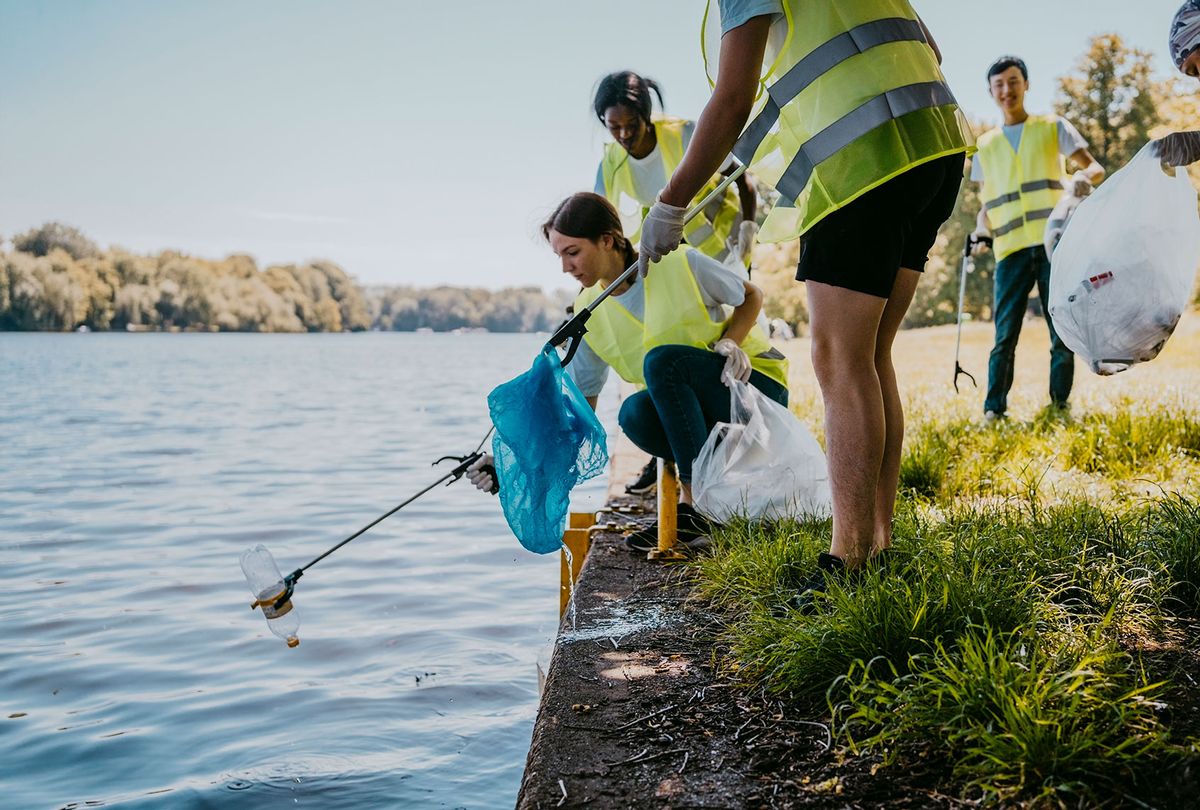
Joining these initiatives helps remove trash and debris from waterways, preventing pollution and protecting aquatic life. It also sets a positive example for others and encourages them to take responsibility for their actions.
Additionally, you can organize your own clean-up events with friends, family, or fellow anglers. By working together, you can make a significant difference in preserving the natural beauty of your favorite fishing spots.
FAQs – Frequently Asked Questions
Here are some frequently asked questions about eco-friendly bass fishing and using the Hobie Mirage Revolution 13:
What is the best way to release a caught bass?
The best way to release a caught bass is to handle it gently and minimize air exposure. Use barbless hooks to make removal easier and less stressful for the fish. Hold the fish in the water facing into the current to help it regain strength before releasing it.
How do I store bait to minimize waste?
Store bait in reusable containers to minimize waste. If using live bait, keep it in a well-aerated container to ensure it stays healthy. For artificial lures, organize them in a tackle box to prevent losing them and reduce the need for replacements.
Are there any specific regulations for kayak fishing?
Yes, there are specific regulations for kayak fishing that vary by location. Always check local fishing regulations before heading out. These may include restrictions on certain areas, catch limits, and size limits for different fish species.
What should I do if I catch a fish that’s out of season?
If you catch a fish that’s out of season, release it immediately and handle it as gently as possible. Follow proper catch-and-release techniques to ensure the fish’s survival. Familiarize yourself with local fishing seasons to avoid targeting out-of-season species.


Follow Us
Recent Posts
- Eco-Friendly Sustainable Bass Fishing Tips
- The Potential of the Hobie Mirage Revolution 11: Inshore vs. Offshore Bass Fishing
- Hobie Twist and Stow Rudder vs. Fixed Rudder Systems: A Comparative Analysis
- Hobie Mirage Outback Performance in Fishing Tournaments
- Advanced Hobie Mirage Outback Pedal Techniques for Serious Anglers