Your cart is currently empty!
When it comes to bass fishing from a kayak, having the right gear is essential. One of the most important pieces of equipment is a lightweight kayak anchor. This ensures that you stay in your desired fishing spot without drifting away.
Key Takeaways
- Lightweight kayak anchors like the 3.5lb folding grapnel are ideal for bass fishing due to their compact size and effectiveness.
- Folding grapnel anchors are versatile and can handle most lake and river bottoms.
- Using an anchor trolley system can enhance your control over the kayak’s position.
- DIY solutions like chain anchors or dumbbell anchors can be cost-effective and efficient.
- Proper deployment and retrieval techniques are crucial for maintaining anchor effectiveness and safety.
Lightweight Kayak Anchors for Bass Fishing: Essentials & Tips
Why Choosing the Right Kayak Anchor Matters
When you’re out bass fishing, your kayak’s stability can make or break your experience. A good anchor helps you stay in one spot, letting you focus on fishing rather than fighting the current or wind. The right anchor keeps you steady, allowing you to thoroughly cover a piece of structure without drifting away.
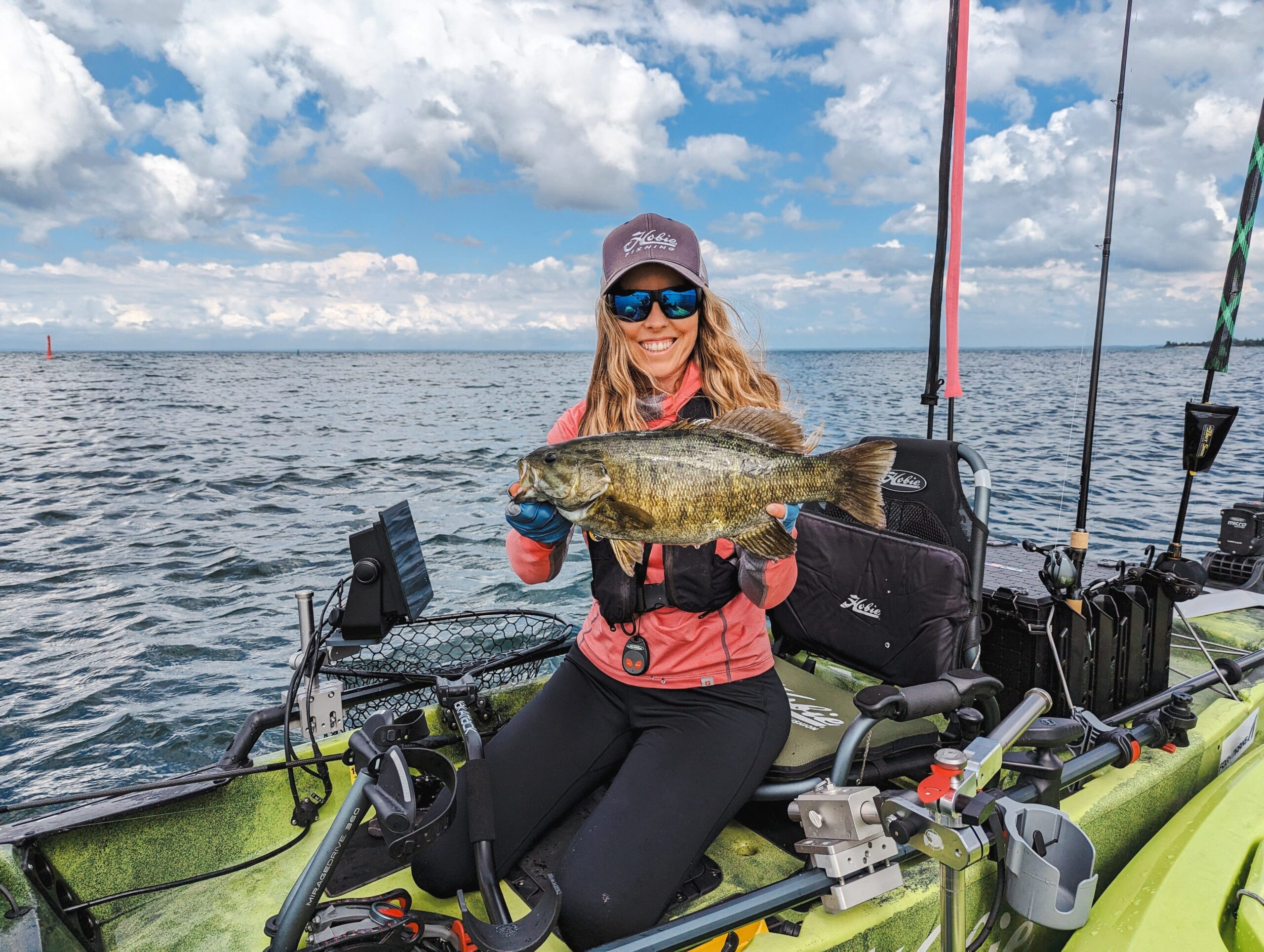
Besides that, having the right anchor means you can fish in various conditions, from calm lakes to flowing rivers. It’s all about ensuring you have the best tools to make your fishing trip successful and enjoyable.
Common Problems with Traditional Kayak Anchors
Traditional kayak anchors often come with a set of problems. They’re usually bulky, heavy, and can be difficult to store. For instance, a large, cumbersome anchor can take up valuable space in your kayak, making it harder to maneuver.
Most importantly, traditional anchors may not always provide the best hold in different types of water bottoms. They can also get stuck in rocks or other underwater obstacles, which can be frustrating and time-consuming to retrieve.
Types of Lightweight Kayak Anchors
Choosing the right lightweight anchor is essential for an efficient and enjoyable fishing experience. Here, we’ll explore different types of lightweight kayak anchors and their specific advantages.
Folding Grapnel Anchors
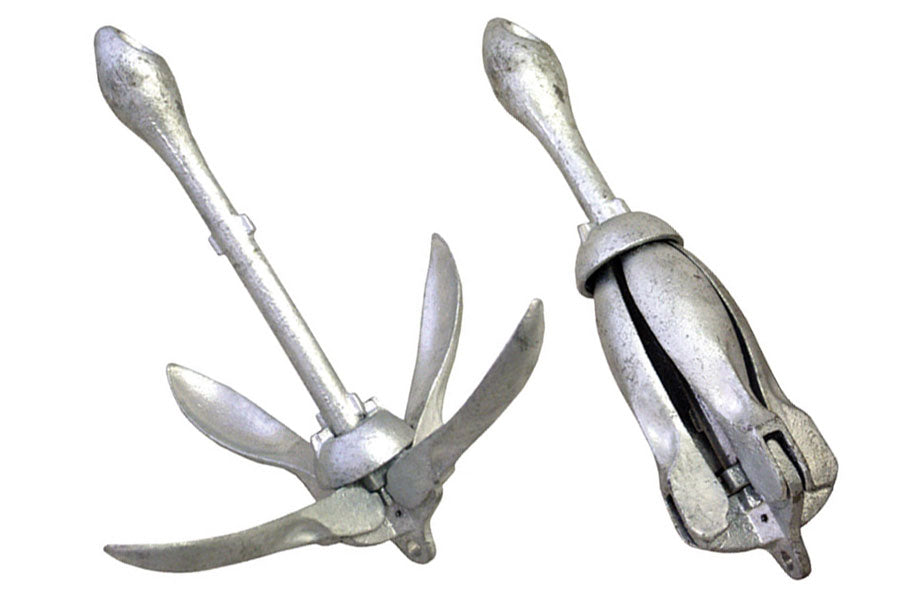
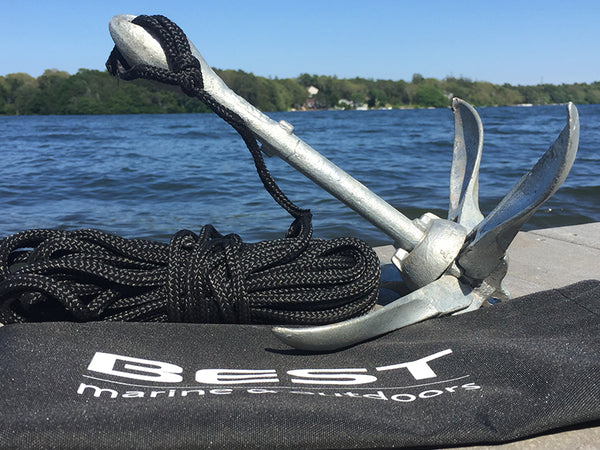
Folding grapnel anchors are among the most popular choices for kayak anglers. They are compact, easy to store, and provide a reliable hold on various types of bottoms, from mud to sand to rocky areas. For more tips on optimizing your kayak setup, check out this guide on organizing your kayak for optimal bass fishing.
“Grapnel anchors weighing 1.5 to 3.5 pounds are popular among yakkers, and most cost less than $20.”
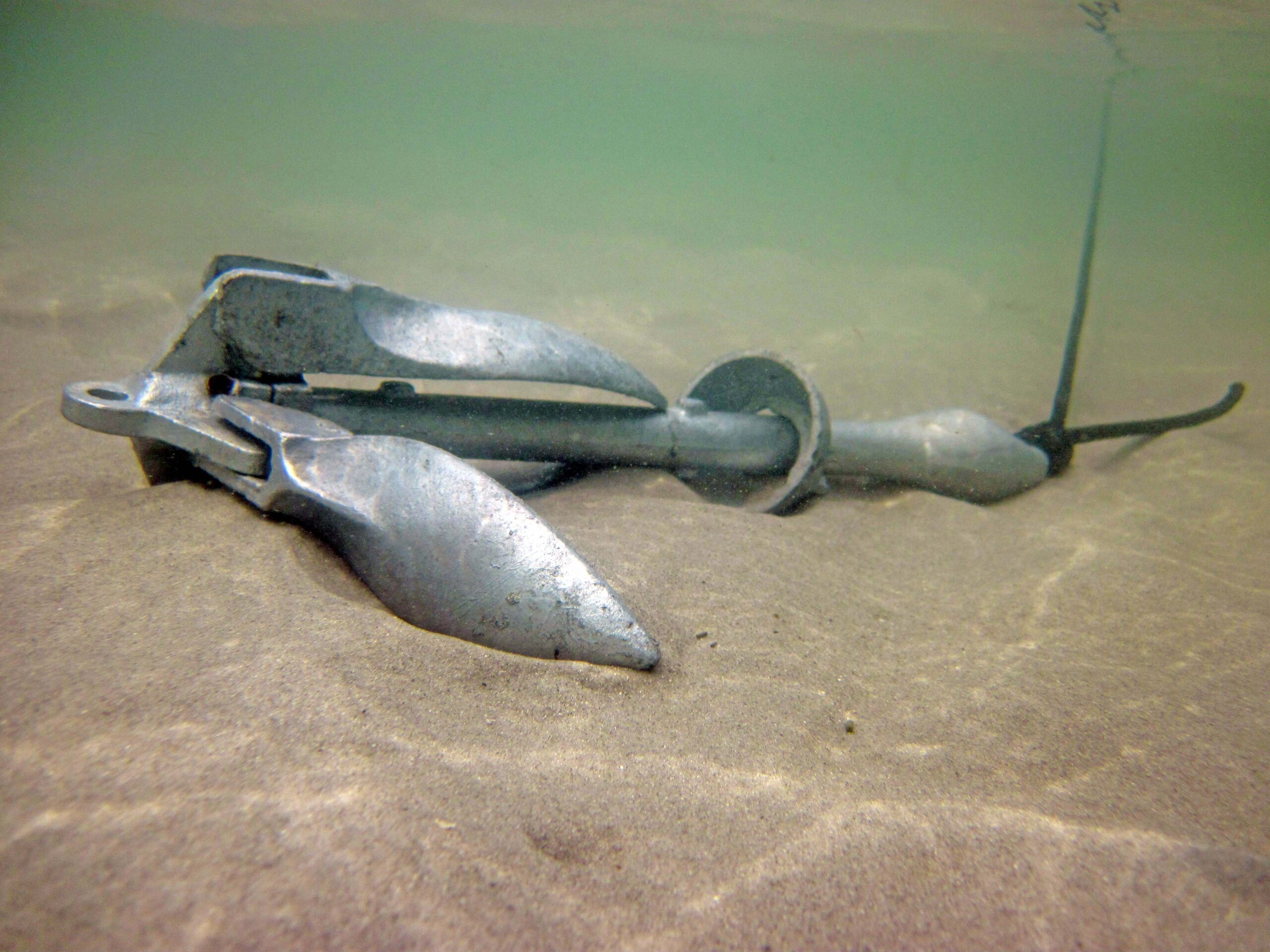
These anchors feature folding flukes that dig into the bottom, providing a secure hold. When not in use, the flukes fold up, making the anchor easy to store. This versatility makes them a great choice for many different fishing environments.
Fluke-Style Anchors
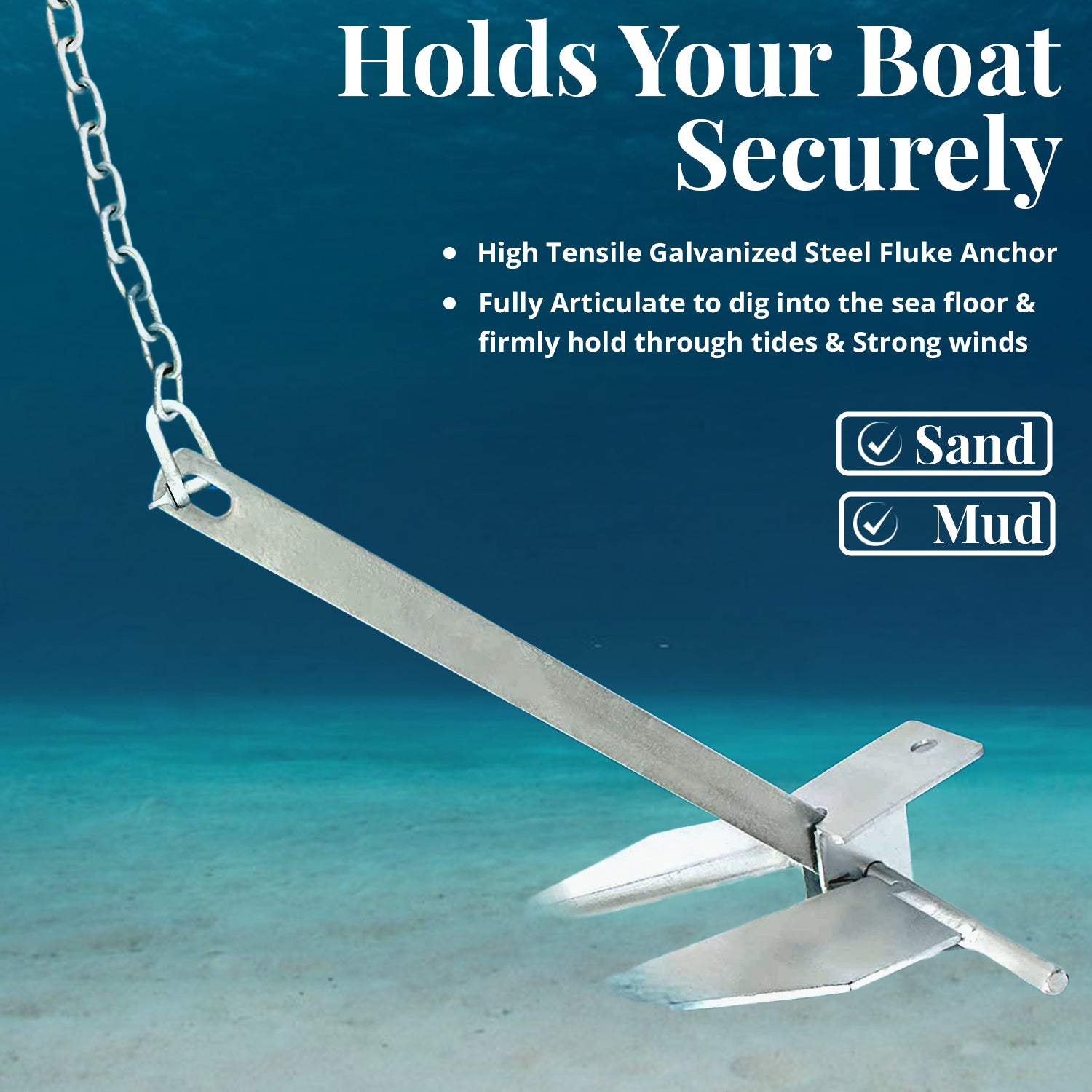
Fluke-style anchors, also known as Danforth anchors, are another excellent option. These anchors have two flat, pointed flukes that dig into sandy or muddy bottoms, providing a strong hold. They are lightweight and can be easily stored when not in use.
However, they may not be as effective on rocky or grassy bottoms. Therefore, it’s essential to consider the type of water body you’ll be fishing in before choosing this anchor type. For more tips, check out these seasonal fishing tips.
Chain Anchors
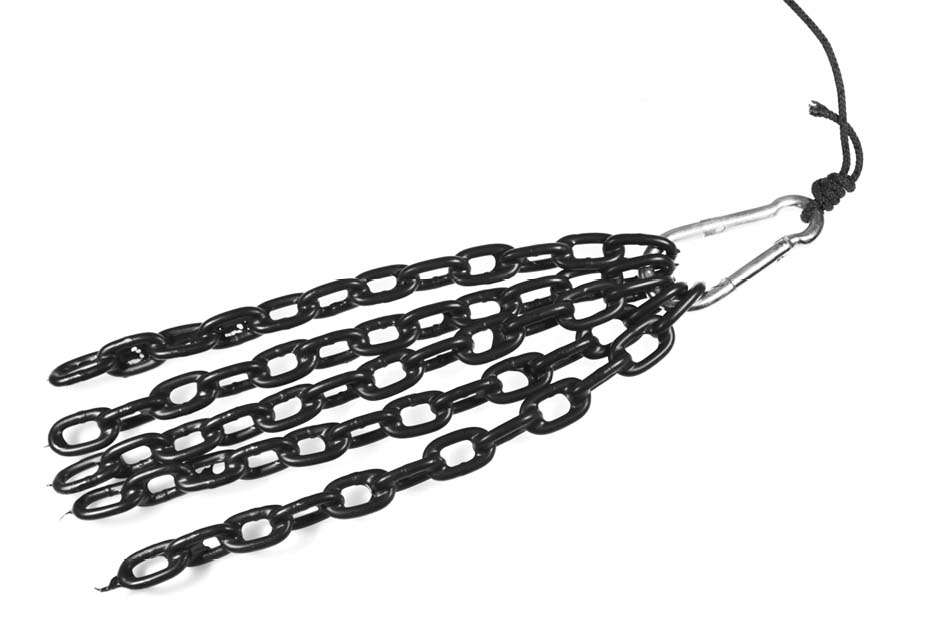
Chain anchors are a DIY option that can be highly effective, especially in lakes. They consist of a length of chain attached to a rope. The chain’s weight helps it settle on the bottom, providing a good hold.
“Put out enough line with extra sections of chain to stop the boat. Chain anchors work in lakes, too.”
This type of anchor is particularly useful in windy conditions or strong currents, as the chain’s weight helps keep the kayak in place. Plus, you can easily make one at home, saving on costs.
Dumbbell Anchors
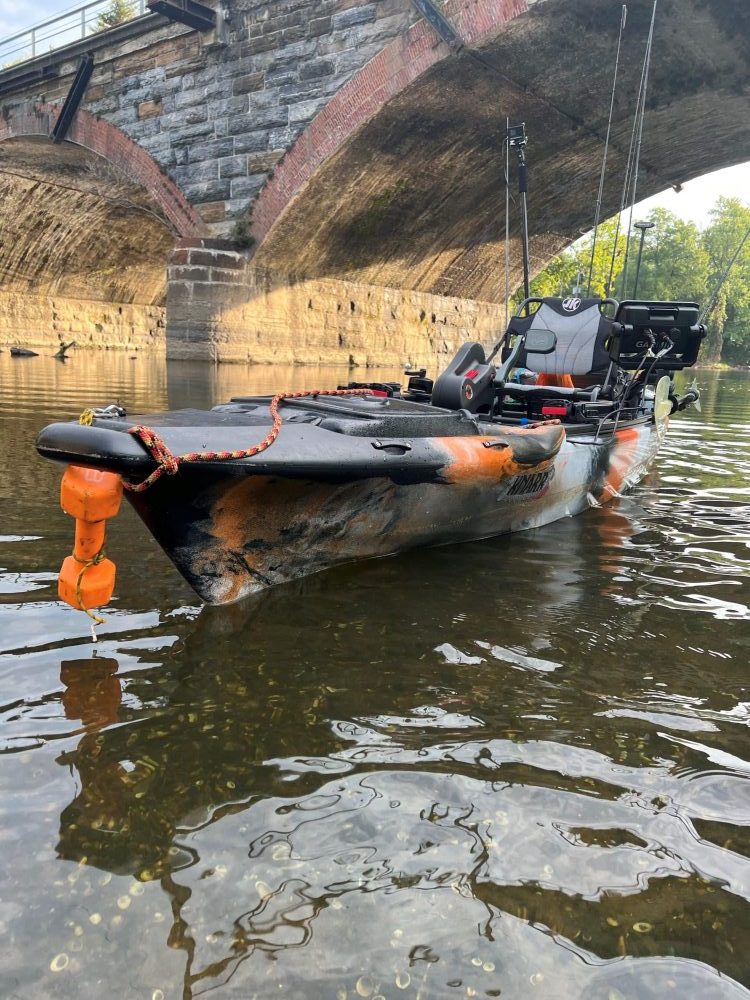
Dumbbell anchors are another DIY option. They are essentially small dumbbells, usually weighing around 5 pounds, attached to a rope. These anchors are easy to use and store, making them a convenient choice for kayak anglers.
“Five-pound dumbbells convert quickly into anchors with a piece of paracord and zip ties. Plastic dumbbells are easy on plastic hulls and fairly stealthy when dragged to slow a downstream drift in rivers, too.”
They work well on various types of bottoms and are particularly useful in rivers where you might need to slow down your drift. The simplicity and effectiveness of dumbbell anchors make them a popular choice among kayak anglers.
How to Use Kayak Anchors Effectively
Understanding how to deploy, retrieve, and maintain your kayak anchor is crucial for a successful fishing trip. These steps will help you maximize your anchor’s effectiveness and ensure your safety on the water. For additional tips, check out our guide on kayak storage installation.
Deploying Your Anchor
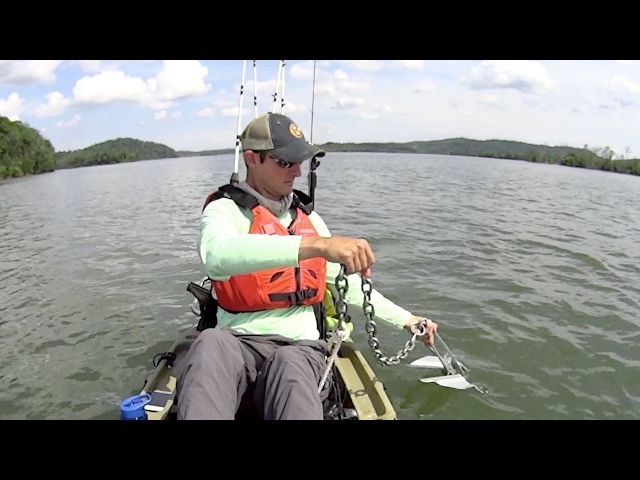
Deploying your anchor correctly is essential to ensure it holds your kayak in place. Follow these steps for effective deployment:
- Identify the spot where you want to anchor. Ensure it’s a suitable bottom type for your anchor.
- Slowly lower the anchor over the side of your kayak. Avoid throwing it, as this can cause it to tangle or not set properly.
- Let out enough anchor line to create a scope of 7:1 (seven feet of line for every foot of water depth). This ensures the anchor digs in effectively.
- Once the anchor is on the bottom, gently pull on the line to set the anchor. You should feel it catch and hold.
By following these steps, you can ensure your anchor holds your kayak in place, allowing you to focus on fishing. For more tips, check out this ultimate kayak bass fishing gear checklist.
Retrieving Your Anchor
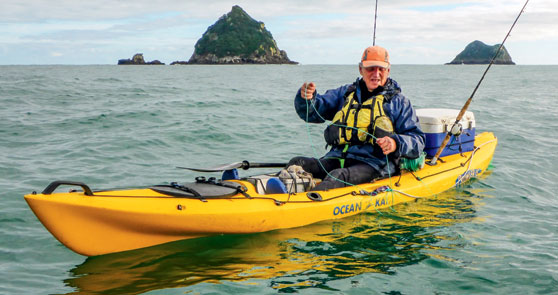
Retrieving your anchor can be tricky, especially if it’s stuck. Here’s how to do it safely and effectively:
- Paddle or pull yourself directly above the anchor to reduce the angle of the anchor line.
- Slowly and steadily pull up on the anchor line. If the anchor is stuck, try moving your kayak in different directions to free it.
- If the anchor is still stuck, use a quick, sharp pull to break it free. Be cautious to avoid tipping your kayak.
Proper retrieval techniques will help you avoid losing your anchor or damaging your kayak. For more tips on optimizing your kayak for bass fishing, check out this guide on tackle storage mastery.
Maintaining Your Anchor
Regular maintenance of your kayak anchor ensures it remains effective and lasts longer. Here are some maintenance tips:
- Rinse your anchor with fresh water after each use to remove salt, mud, and debris.
- Inspect the anchor and line for signs of wear and tear. Replace any damaged parts as needed.
- Store your anchor in a dry, cool place to prevent rust and corrosion.
Maintaining your anchor properly will ensure it performs well and stays in good condition for many fishing trips to come.
Properly organizing your tackle and other gear can also make a significant difference in your fishing experience. For more tips on optimizing your kayak setup, check out this guide on organizing your kayak for optimal bass fishing.
Tips for Bass Fishing with Kayak Anchors
Using a kayak anchor effectively can significantly enhance your bass fishing experience. Here are some tips to help you make the most of your kayak anchor:
Choosing the Right Anchor for Your Fishing Spot
The type of anchor you choose should match the conditions of your fishing spot. For example, a folding grapnel anchor is ideal for rocky or mixed bottoms, while a fluke-style anchor works best in sandy or muddy areas.
Consider the depth and current of your fishing spot as well. In deeper waters or stronger currents, you may need a heavier anchor or additional chain to ensure a secure hold.
Handling Wind and Currents
Wind and currents can make it challenging to stay in one spot. Here are some tips to handle these conditions:
- Position your kayak so that the wind or current pushes you towards your fishing spot. This way, the anchor will hold you in place more effectively.
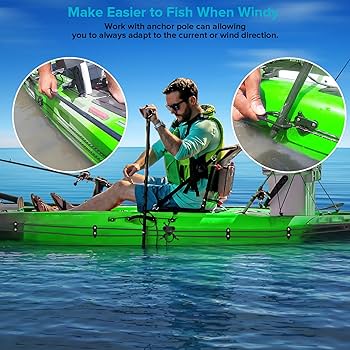
- Use an anchor trolley system to adjust the anchor’s position and keep your kayak oriented correctly.
- If the wind or current is too strong, consider moving to a more sheltered area where the anchor can hold better.
Using Anchor Trolleys
An anchor trolley system can greatly enhance your control over your kayak’s position. It allows you to move the anchor line along the length of your kayak, helping you adjust your position without having to re-anchor.
To use an anchor trolley system:
- Install the trolley system along one side of your kayak, from the bow to the stern.
- Attach the anchor line to the trolley’s ring or carabiner.
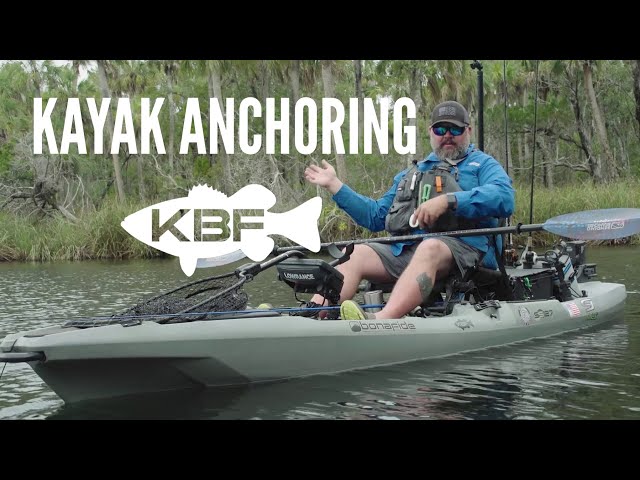
- Use the trolley line to move the anchor line forward or backward, adjusting your kayak’s position as needed.
This system is particularly useful in windy conditions or when you need to adjust your position frequently.
DIY Kayak Anchor Solutions
If you’re looking for cost-effective and efficient anchor solutions, DIY options can be a great choice. DIY anchors not only save money but also allow you to customize them to your specific needs. Whether you’re in a lake, river, or dealing with different types of bottoms, a homemade anchor can be tailored for optimal performance. Here are some popular DIY kayak anchor solutions:
Making a Chain Anchor
A chain anchor is a simple and effective DIY solution. Here’s how to make one:
- Cut a length of chain, typically 3-5 feet long, depending on the depth of the water you’ll be fishing in.
- Attach one end of the chain to a sturdy rope or paracord.
- Secure the other end of the rope to your kayak.
This type of anchor is particularly useful in lakes and can be easily made at home, saving on costs. The weight of the chain helps it settle on the bottom, providing a good hold even in windy conditions or strong currents.

Creating PVC Pipe Anchors
PVC pipe anchors are another DIY option. They are lightweight, easy to make, and can be customized to suit your needs. Here’s how to create one:
For more ideas on optimizing your kayak setup, check out these tackle storage tips.
- Cut a length of PVC pipe, typically 1-2 feet long.
- Fill the pipe with sand or gravel to add weight.
- Cap both ends of the pipe securely.
- Attach a rope or paracord to one end of the pipe.
This simple anchor can be highly effective in various conditions and is easy to store and transport. Its lightweight nature makes it easy to handle, and the added weight ensures it holds well on different types of bottoms.
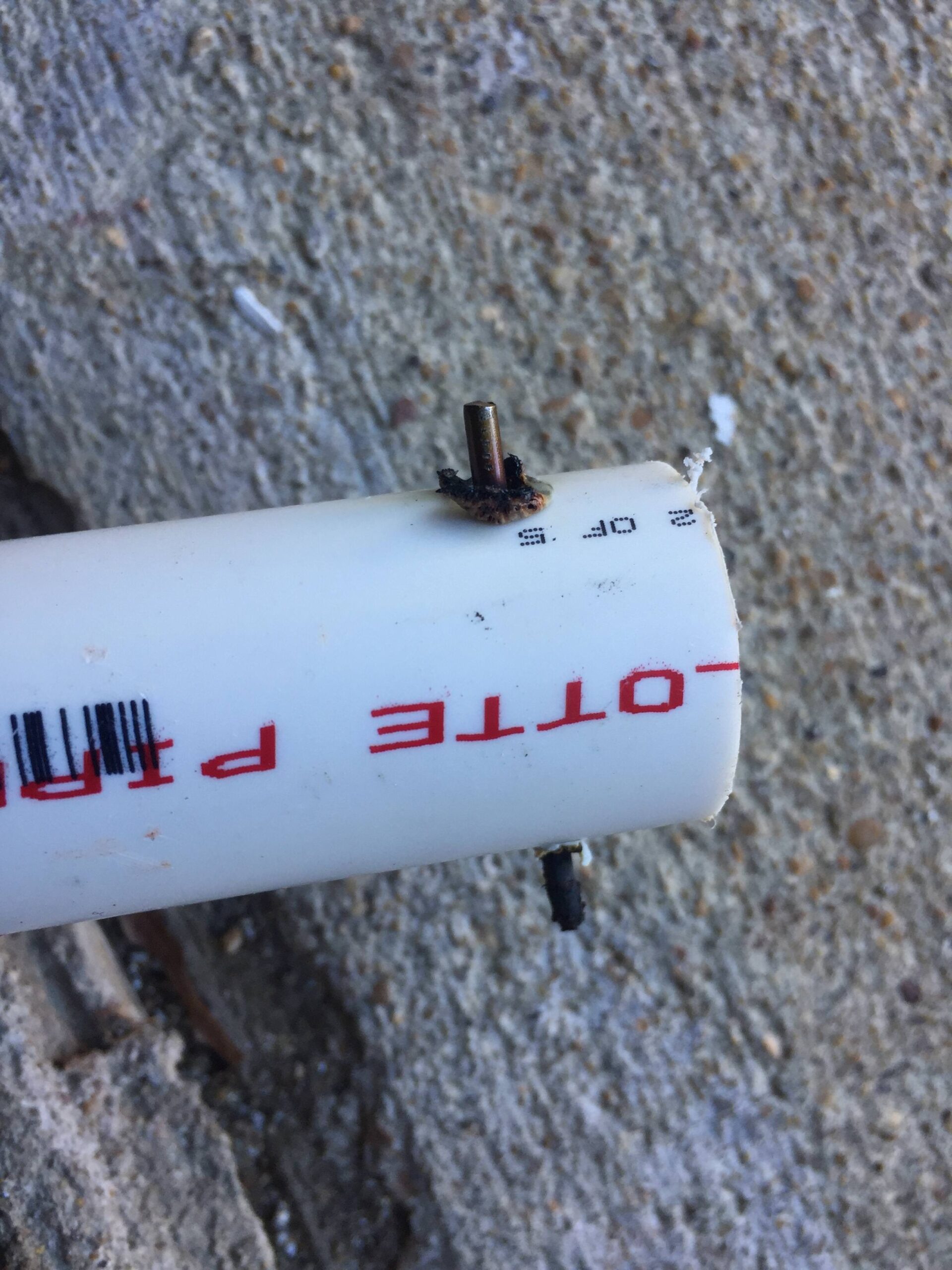
Both chain and PVC pipe anchors are practical solutions for kayak anglers looking to save money and customize their gear. They are easy to make, effective, and versatile, making them great additions to any angler’s toolkit.
Final Thoughts on Lightweight Kayak Anchors
Lightweight kayak anchors are essential tools for any serious kayak angler. They provide stability, control, and the ability to fish effectively in various conditions. By choosing the right anchor and using it correctly, you can enhance your fishing experience and increase your chances of success. Whether you opt for a folding grapnel, fluke-style, chain, or dumbbell anchor, each type has its specific advantages and best-use scenarios.
Understanding how to deploy, retrieve, and maintain your anchor ensures it remains effective and lasts longer. Additionally, using an anchor trolley system can significantly enhance your control over your kayak’s position, especially in challenging conditions.
Best Practices for Successful Bass Fishing
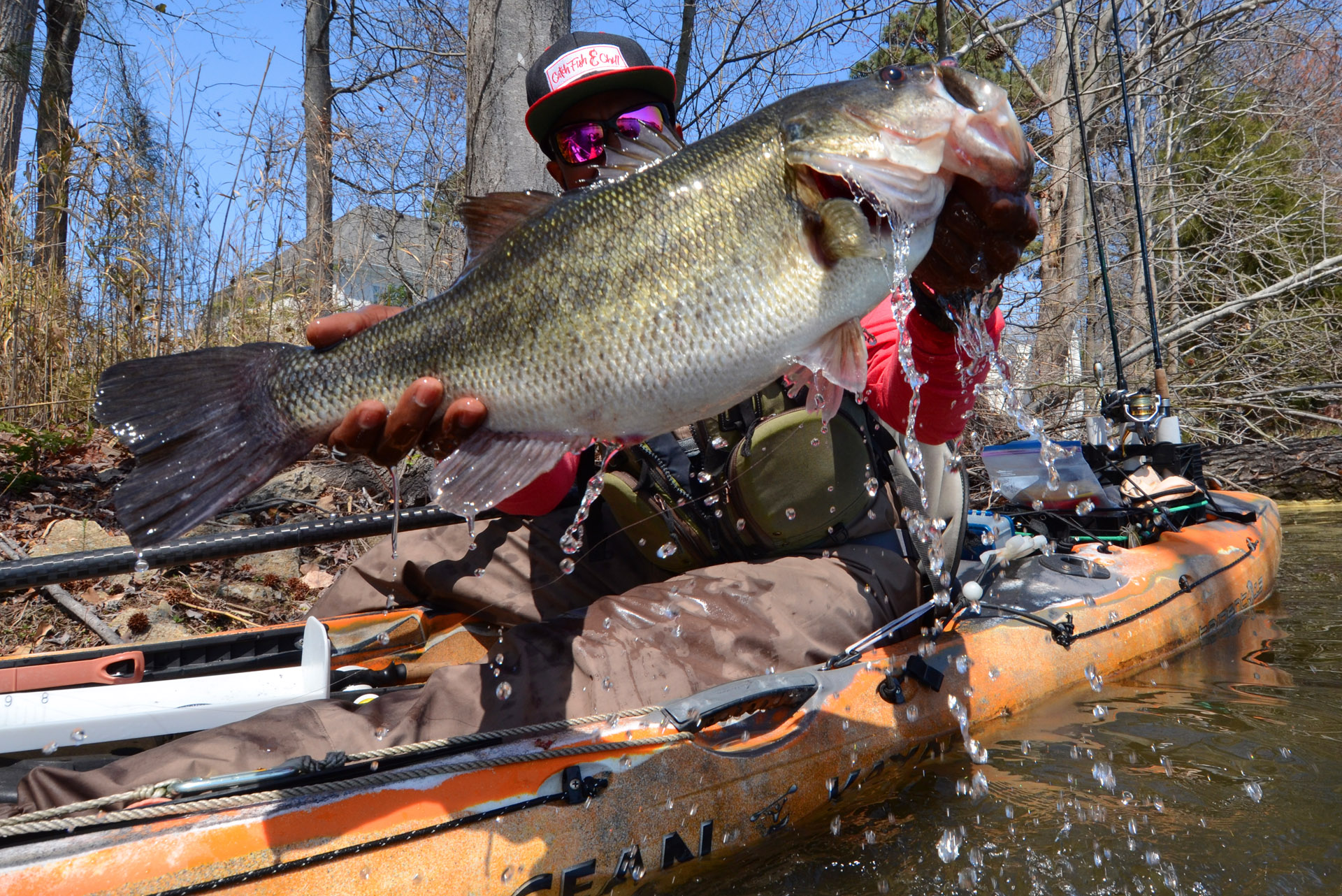
To make the most of your bass fishing trips, consider the following best practices:
- Choose the right anchor for your fishing spot and conditions.
- Use proper deployment and retrieval techniques to ensure your anchor holds effectively.
- Maintain your anchor regularly to keep it in good condition.
- Utilize an anchor trolley system for better control over your kayak’s position.
- Consider DIY anchor solutions for cost-effective and efficient options.
By following these tips and choosing the right anchor, you can enhance your bass fishing skills and enjoy a more successful and enjoyable experience on the water.
Frequently Asked Questions (FAQ)
To help you make the most of your kayak fishing experience, here are answers to some common questions about kayak anchors:
What is the ideal weight for a kayak anchor?
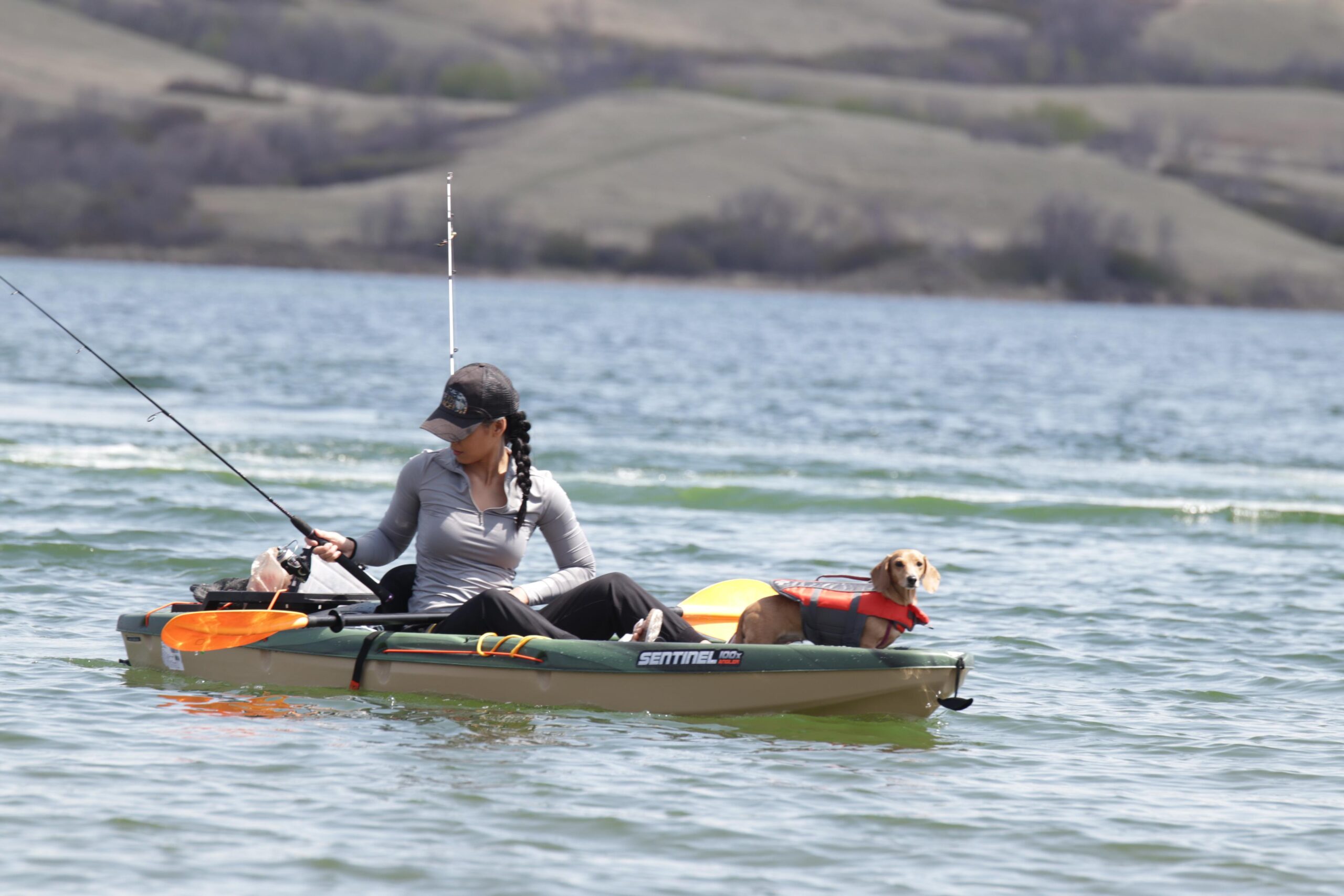
The ideal weight for a kayak anchor typically ranges from 1.5 to 3.5 pounds. This weight is sufficient to hold your kayak in place without being too heavy to handle or store. However, the ideal weight may vary depending on the water conditions and the type of bottom you’ll be anchoring in.
How do I prevent my anchor from getting stuck?
To prevent your anchor from getting stuck, avoid deploying it in areas with heavy rocks or underwater obstacles. If it does get stuck, try moving your kayak in different directions to free it. Using a breakaway zip tie system can also help release a stuck anchor.
Can I use a kayak anchor in strong currents?
Yes, you can use a kayak anchor in strong currents, but it’s essential to choose the right type and weight of anchor. A heavier anchor or additional chain can provide a more secure hold. Always ensure you deploy enough anchor line to create an effective scope.
How do I maintain my kayak anchor?
Regular maintenance of your kayak anchor ensures it remains effective and lasts longer. Rinse your anchor with fresh water after each use, inspect it for signs of wear and tear, and store it in a dry, cool place to prevent rust and corrosion. For more tips on storage, check out these kayak storage installation tips.
Is a DIY anchor as effective as a commercial one?
A DIY anchor can be just as effective as a commercial one if made and used correctly. Chain and PVC pipe anchors are popular DIY options that provide good hold and are easy to make. Ensure you follow proper deployment and retrieval techniques for the best results.
By understanding these aspects of kayak anchors and applying the tips provided, you can enhance your bass fishing skills and enjoy a more successful and enjoyable experience on the water.


Follow Us
Recent Posts
- Eco-Friendly Sustainable Bass Fishing Tips
- The Potential of the Hobie Mirage Revolution 11: Inshore vs. Offshore Bass Fishing
- Hobie Twist and Stow Rudder vs. Fixed Rudder Systems: A Comparative Analysis
- Hobie Mirage Outback Performance in Fishing Tournaments
- Advanced Hobie Mirage Outback Pedal Techniques for Serious Anglers